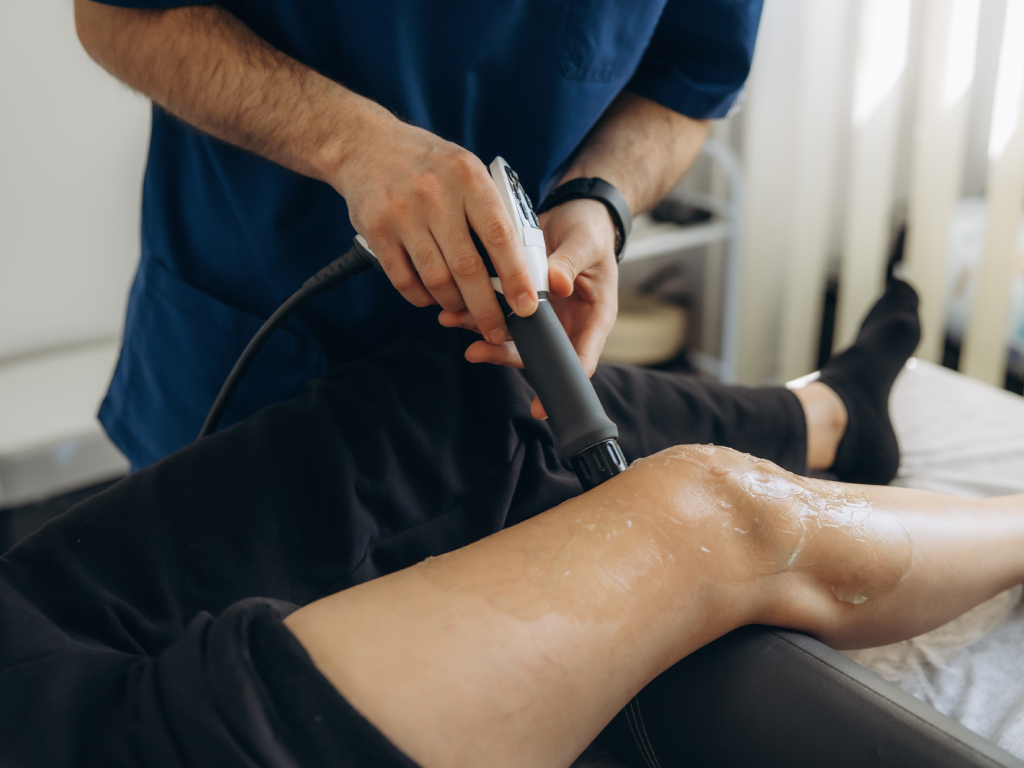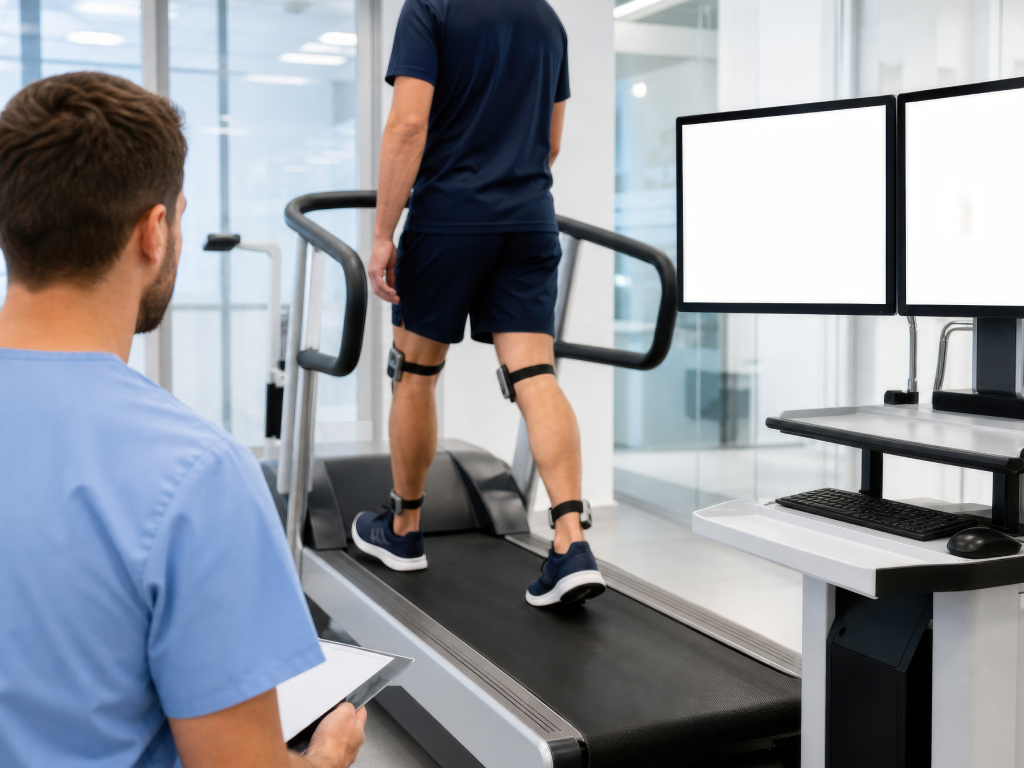
Initial improvement through physiotherapy is usually achieved in 6-12 weeks for rotator cuff recovery, though complete healing often requires 3-6 months depending on injury severity. Three main phases are involved in the process: pain reduction and protection (weeks 1-2), gradual mobility restoration (weeks 3-6), and strength rebuilding (weeks 6-12+); proper guidance makes all the difference.
Fast Facts:
- 4.5 million doctor visits annually in North America are accounted for by rotator cuff injuries
- Initial pain relief typically occurs within 2-3 weeks of starting physiotherapy
- Range of motion improvements are usually noticeable by week 4-6
- Complete recovery timelines vary from 12 weeks to 9 months based on tear severity
- Recovery time can be reduced by up to 40% through early intervention
Understanding Your Rotator Cuff Injury
Four muscles that stabilize your shoulder joint during movement make up the rotator cuff. Pain and weakness follow predictably when these tissues are damaged through overuse, trauma, or age-related wear. In many cases, the injury is developed gradually rather than from a single incident. Feeling “fine on Friday, terrible on Monday” was recently described by a weekend warrior in Ajax after helping a neighbor move furniture. That pattern is surprisingly common. The good news is that structured physiotherapy is responded to well by most rotator cuff problems when addressed promptly.
Phase 1: Pain Control and Protection (Weeks 1-2)
Reducing inflammation and protecting damaged tissues from further harm is focused on during your initial recovery. Complete immobilization isn’t meant by rest; but rather avoiding aggravating movements while gentle mobility is maintained. Swelling is helped to be controlled by ice applications for 15-20 minutes several times daily. Pain medications may be recommended to keep you comfortable during this phase. That moving their shoulder will cause more damage is worried about by many patients. Actually, stiffness is prevented and healing blood flow to the area is promoted by gentle movement.
Phase 2: Restoring Range of Motion (Weeks 3-6)
Specific mobility exercises will be introduced by your physiotherapist once acute pain subsides. Normal shoulder movement patterns are gradually restored by pendulum swings, wall slides, and assisted stretching. Progress happens incrementally. Some days feel better than others; that’s completely normal during recovery. Feeling frustrated when her range improved one day but seemed worse the next was mentioned by a retired teacher from Pickering. These fluctuations are part of the healing process, not setbacks.
Phase 3: Strength and Function (Weeks 6-12+)
Strengthening exercises begin once reasonable mobility without significant pain has been regained by you. Resistance bands, light weights, and functional movements are introduced progressively. Time to rebuild their endurance and coordination is needed by the rotator cuff muscles. Plus, imbalances that require correction are often created by surrounding muscles compensating during injury. Exercises specific to your daily activities and goals will be designed by your physiotherapist. Whether you’re returning to tennis or simply want to reach overhead cabinets comfortably, the program gets tailored accordingly.
Factors That Influence Recovery Time
How quickly you’ll heal from a rotator cuff injury is affected by several variables. A role is played by age, as tissue repair slows naturally over time. Timeline expectations are significantly impacted by the size and location of any tear. Your overall fitness level, adherence to prescribed exercises, and presence of other health conditions all matter too. Oddly enough, faster recovery is sometimes experienced by people who’ve had previous shoulder injuries because the process is better understood by them. But each situation remains unique; individualized assessment is made crucial by this.
Common Recovery Milestones
Initial pain reduction within 2-3 weeks of starting physiotherapy is noticed by most patients. Sleep typically improves around week 4-6 as nighttime pain decreases. Range of motion gains become apparent by weeks 6-8, though longer may be taken for full mobility. Strength returns more gradually; 3-6 months are often required for complete restoration. I suppose these timelines serve as general guidelines rather than rigid expectations. Your body heals at its own pace, influenced by factors both within and beyond your control.
When to Seek Professional Help
Professional evaluation is warranted by persistent shoulder pain lasting more than a few days. Minor issues are often prevented from becoming major problems by early intervention. If significant weakness, inability to lift your arm, or severe nighttime pain is being experienced by you, don’t wait to seek care. Prompt physiotherapy assessment and treatment is benefited from by many people in the Pickering and Ajax area. The better your chances for complete recovery, the sooner rotator cuff problems are addressed by you. Ready to start your healing journey? Visit our website to schedule your consultation today.
Mini-FAQ:
Q: How long before I can return to sports after a rotator cuff injury? Look, this depends heavily on the sport and injury grade. Return might be allowed in 6-8 weeks for minor strains, while significant tears could require 4-6 months. Complete healing happens gradually. Your specific situation will be assessed by your physiotherapist, and the timeline will be guided accordingly.
Q: What exercises should I avoid during early recovery? Overhead movements are typically restricted initially. Inflammation can be worsened by activities like reaching above shoulder height, heavy lifting, or sudden jerking motions. Gentle pendulum swings and supported movements are preferred. That still surprises people.
Q: Can I speed up my rotator cuff recovery? Fair point. While tissue healing can’t be rushed, your timeline is optimized by consistent physiotherapy exercises, proper rest, and following professional guidance. Ice application and anti-inflammatory measures help too. Pushing too hard often backfires.
Q: When should I consider surgery for rotator cuff problems? Surgery becomes an option when conservative treatment fails after 3-6 months, or with complete tears in younger, active individuals. Physiotherapy alone is responded to well by most partial tears. All factors will be evaluated by your healthcare team before surgical intervention is recommended.