Muscle strain, poor posture, or joint stiffness usually cause neck pain in Pickering; physiotherapy, chiropractic adjustments, and targeted exercises are included among effective treatments. Improvement is seen by most people within 2-4 weeks with proper care, though the underlying cause determines how recovery time varies.
Fast Facts:
- Up to 60% of neck pain cases in office workers are caused by poor posture
- With treatment, whiplash injuries can take 6-12 weeks to fully heal
- By an average of 40-70%, neck pain intensity is reduced through physiotherapy
- Within 2-6 weeks with appropriate care, most acute neck pain resolves
- Morning neck stiffness in 35% of cases is contributed to by sleep position
Understanding Common Neck Pain Triggers
Most neck complaints are caused by poor posture, which remains the leading culprit. Sustained muscle tension that eventually becomes painful is created by hours spent looking down at phones or leaning forward at desks. These prolonged positions weren’t what the cervical spine was designed for; modern life demands them constantly.
Another significant category is represented by sports injuries, particularly among active adults in Pickering. Neck strain from repetitive overhead motions is often developed by tennis players. Poor form or inadequate warm-ups sometimes cause tension to be experienced by runners. Problems can even be triggered by weekend warriors with sudden movements after periods of inactivity.
How Muscle Strain Develops Over Time
Rather than appearing suddenly, muscle strain typically builds gradually. From repetitive stress or sustained positions, small micro-tears in muscle fibers accumulate. These areas are tried to be protected by the body through creating protective muscle spasms, which ironically increase pain and stiffness.
More than people realize, sleep positions contribute. Into awkward rotation for hours, the neck is forced by sleeping on your stomach. Unnatural curves throughout the night can be maintained by pillows that are too high or too flat. Severe stiffness after switching to a new mattress was mentioned by one patient as something they woke up with, though the connection wasn’t immediately obvious to them.
Joint Dysfunction and Nerve Irritation
From injury or gradual wear, cervical joints can become restricted. Normal movement patterns are affected by these restrictions and compensatory tension in surrounding muscles is often created. To targeted mobilization techniques, the facet joints, in particular, respond well.
Joint problems are sometimes accompanied by nerve irritation. Pain that radiates into the shoulders, arms, or even fingers can be caused by compressed or inflamed nerves. From muscle-based discomfort, this type of pain often feels different. Rather than simple muscle strain, nerve involvement is typically indicated by sharp, shooting sensations or numbness.
Evidence-Based Treatment Approaches
Through movement restoration and strengthening exercises, neck pain is addressed by physiotherapy. Normal joint mobility is helped to be restored by manual therapy techniques while weak or imbalanced muscles are targeted by specific exercises. Within the first few sessions, significant improvement is seen by many patients, though several weeks are usually taken for complete recovery.
Spinal alignment and joint function are focused on by chiropractic care. To restricted segments, normal movement can be restored by gentle adjustments while muscle tension is reduced. For joint-related pain and stiffness, the approach works particularly well. Over exercise-based approaches, this hands-on treatment style is preferred by some people.
Modern Treatment Options in Pickering
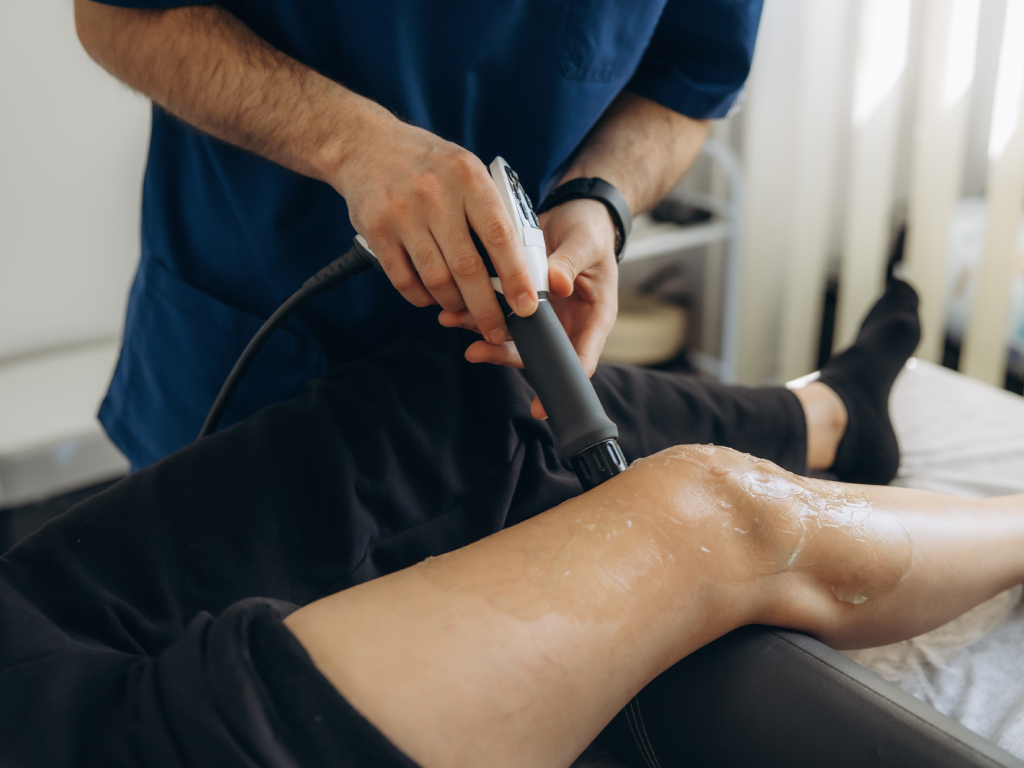
For chronic neck pain cases, shockwave therapy has emerged as an effective option. To stimulate healing in damaged tissues, acoustic waves are used by the treatment. After 3-4 sessions, results often become apparent, though longer treatment courses are required by some conditions.
That many find helpful, acupuncture provides another evidence-based option. Muscle tension can be reduced and blood flow to affected areas can be improved by the technique. With other treatments, the healing process is often accelerated when combined. With this approach, good success rates are reported by local practitioners in Ajax and Pickering.
When to Seek Professional Help
Severe pain following an injury, numbness or tingling in the arms, or headaches that worsen over time are included among red flags. More serious underlying problems that require immediate attention are suggested by these symptoms. If pain interferes significantly with daily activities or sleep, don’t wait.
To early intervention, most neck pain responds well. Problems to become more entrenched and harder to resolve can be allowed by waiting too long. The specific cause is helped to be identified by professional assessment and appropriate treatment selection is guided. That’s usually where real progress starts being seen by people, anyway.
Getting Started with Treatment
Contributing factors are identified and serious conditions are ruled out through proper assessment, which involves the first step. Treatment selection is guided by this evaluation and realistic expectations for recovery are helped to be set. To appropriate care, many conditions respond quickly, though longer-term management is required by some.
Physiotherapy clinics, chiropractic offices, and integrated healthcare centers are included among local options in Pickering. Practitioners who use evidence-based approaches and can adapt treatment to your specific needs should be found, which is the key. If persistent neck pain is being dealt with by you, to explore your options, consider scheduling an assessment and for more information about available treatments, visit our website.
Mini-FAQ:
Q: What’s the most common cause of neck pain? Poor posture causes muscle strain, which tops the list. Tension that builds up gradually is created by hours spent hunched over computers or phones. That still surprises people.
Q: Can sleeping wrong cause serious neck problems? Fair point to worry about this one. Muscle spasms and joint stiffness can be triggered by awkward sleep positions, though serious damage is rare. Within a few days, recovery usually happens.
Q: When should I see a professional for neck pain? Help should be looked for if pain persists beyond a week, spreads down your arms, or comes with headaches. Attention is definitely warranted by numbness or tingling. Complications are often prevented by early treatment.
Q: Do chiropractors or physiotherapists work better for neck issues? Depending on your specific condition, both approaches can be effective. Joint alignment is focused on by chiropractors while movement and strengthening are emphasized by physiotherapists. Either approach benefits many people.