Movement assessment, targeted strengthening exercises, and manual therapy techniques are usually involved in physiotherapy for running knee injuries; improvement within 4-6 weeks is seen by most active adults with consistent treatment. A personalized recovery plan can be developed by visiting a qualified physiotherapist for those in Pickering seeking professional care.
Fast Facts:
- 42% of running injuries occur at the knee joint
- IT band syndrome affects 1 in 4 distance runners annually
- Proper biomechanics can reduce injury risk by up to 60%
- Most knee pain responds well to 6-8 weeks of structured physiotherapy
- Strengthening hip muscles often resolves knee tracking issues
Understanding Running Knee Injuries
Nearly half of all recreational runners are affected by knee pain at some point. Significant stress is placed on knee structures by the repetitive nature of running, particularly when biomechanical issues are present. Roughly 25% of all running injuries are accounted for by patellofemoral pain syndrome, commonly called “runner’s knee.” IT band syndrome follows closely behind. Muscle imbalances and poor movement patterns rather than acute trauma typically cause both conditions.
The Role of Biomechanics
A crucial role in knee health during running is played by movement patterns. Excessive knee valgus, where the knee caves inward during foot strike, is often led by hip weakness. Abnormal stress is placed on the patellofemoral joint and IT band by this faulty pattern. Cadence also matters; higher impact forces at the knee tend to be experienced by runners who overstride. From what we’ve seen, many chronic issues are prevented by addressing these biomechanical factors early.
Physiotherapy Assessment Process
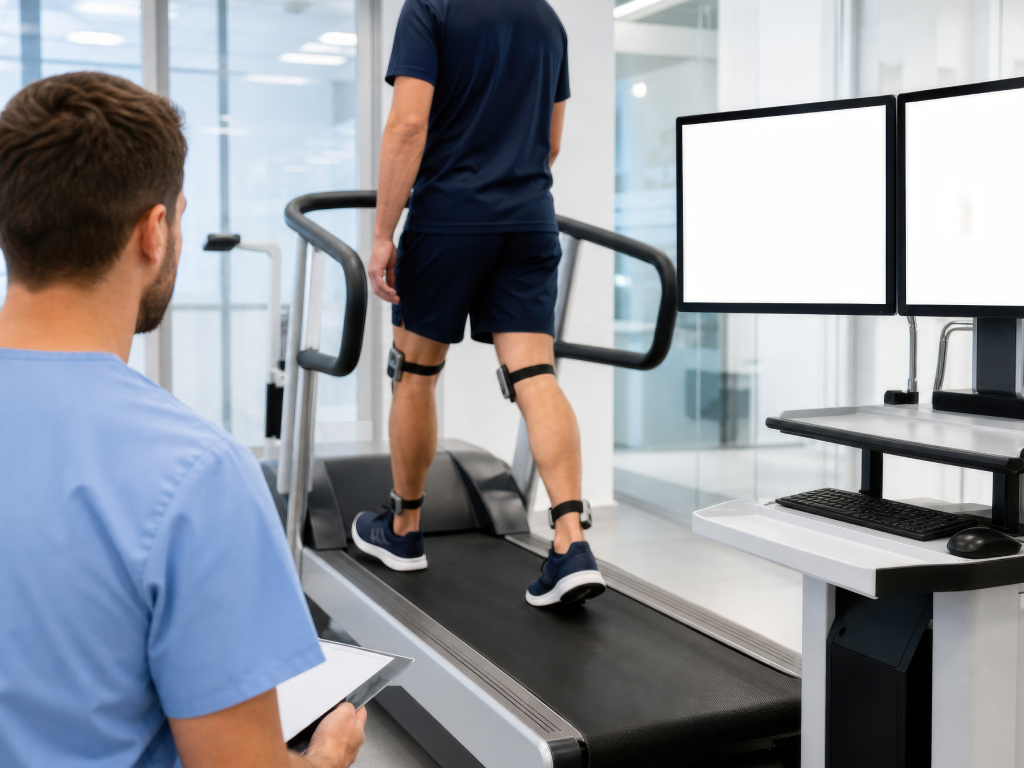
The foundation of effective treatment is formed by a comprehensive assessment. Running mechanics, muscle strength, and joint mobility will be evaluated by your physiotherapist. Compensatory patterns are helped to be identified by functional movement screens. Subtle biomechanical faults are sometimes captured using video gait analysis. The entire treatment approach is guided by the assessment process, which typically takes 45-60 minutes.
Manual Therapy Techniques
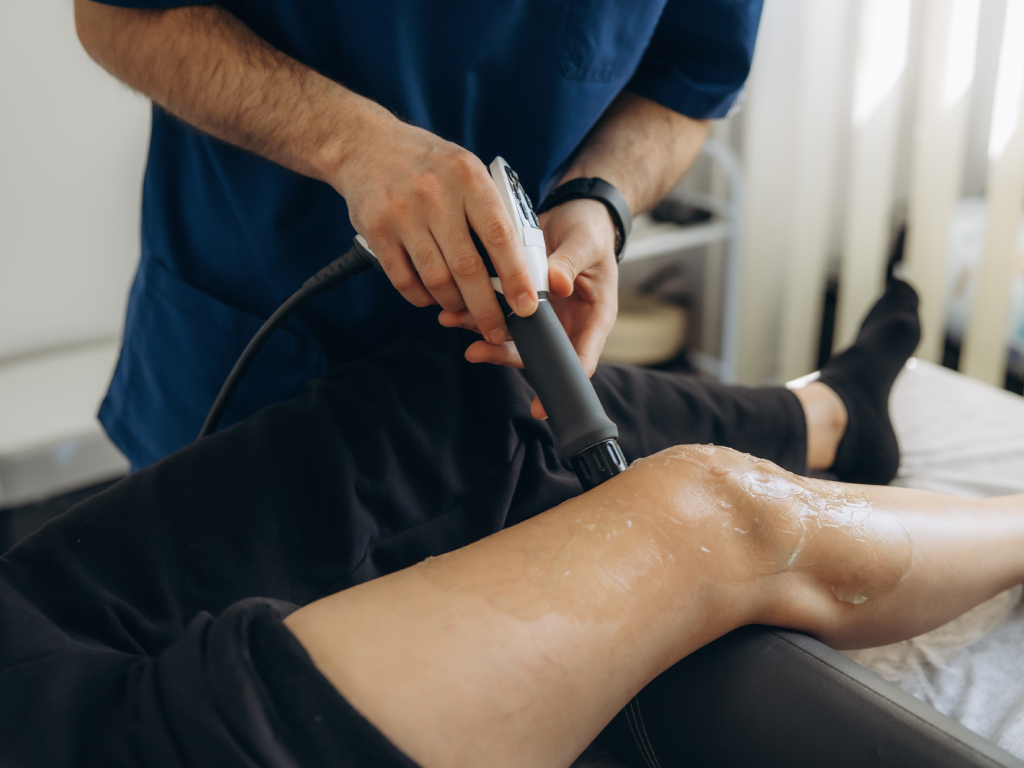
Immediate pain relief and improved tissue quality can be provided by hands-on treatment techniques. Tight IT bands, quadriceps, and calf muscles are addressed by soft tissue mobilization. Normal knee mechanics are helped to be restored by joint mobilization techniques. Trigger point release occasionally uses dry needling. Optimal results usually come from combining these techniques with exercise therapy. Plus, manual therapy is found quite relaxing by many patients.
Exercise Prescription for Runners
The cornerstone of knee injury rehabilitation is formed by targeted exercises. Common weaknesses are addressed by hip strengthening exercises like clamshells and side-lying leg lifts. Patellofemoral pain is helped by eccentric quadriceps exercises. Lower limb stability is improved by calf raises and single-leg balance work. Over 6-8 weeks, the exercise program is typically progressed, with difficulty gradually increased as symptoms improve.
Return to Running Protocol
A structured approach is required for getting back to running. A gradual return-to-run program starting with walk-run intervals is recommended by most physiotherapists. Running surface matters too; softer surfaces like trails or tracks are often better than concrete initially. Mileage increases should be limited to 10% per week. Progression is helped to be guided by monitoring pain levels during and after runs. That’s usually where the breakthrough happens.
Preventing Future Injuries
Addressing underlying risk factors is what long-term success depends on. Strength training should continue beyond the rehabilitation phase on a regular basis. Running technique modifications might be necessary for some athletes. Proper footwear selection and replacement schedules matter more than most people realize. Overall running volume can be reduced while fitness is maintained by cross-training activities like swimming or cycling. For runners in Pickering and Ajax seeking professional guidance, I suppose proper assessment and treatment planning is ensured by visiting a qualified physiotherapist.
Mini-FAQ:
Q: What causes most running knee injuries? Poor biomechanics and muscle imbalances are usually the main factors. Weak hip muscles often contribute to knee tracking problems. That still surprises people.
Q: How long does knee injury recovery take? Fair point to ask upfront. Most cases improve within 4-8 weeks with proper treatment. Severe injuries might need longer.
Q: What exercises help knee pain from running? Look, it depends on the specific injury. Hip strengthening, quad exercises, and calf stretches are commonly prescribed. Your physiotherapist will assess what’s needed.
Q: Should I stop running completely? Not necessarily. Modified training loads are often recommended instead of complete rest. Activity modification works better than total cessation.