Manual therapy, specific exercises, and patient education are usually combined in the most effective treatments. Back pain conditions are shown by research to respond best to physiotherapy, while targeted stretching and nerve mobilization techniques often improve sciatica; stretching, strengthening, and sometimes shockwave therapy are typically required by plantar fasciitis for lasting relief.
Fast Facts:
- Roughly 80% of adults are affected by back pain at some point in their lives
- 65% better outcomes than medication alone are shown by manual therapy combined with exercise
- Sciatica symptoms improve in 6-8 weeks with proper treatment in most cases
- Conservative treatment is responded to by plantar fasciitis in 90% of patients within 6 months
- Tennis elbow recovery time averages 6-12 months with consistent rehabilitation
Understanding Common Pain Patterns
Pain conditions rarely exist in isolation. Shoulder pain might bring a patient in, but contributing factors in their neck or upper back are often found by us. The body compensates in interesting ways; these patterns are usually addressed through comprehensive assessment rather than focusing on just one area.
How desk work affects posture daily is seen in our Pickering clinic. Athletes present differently than seniors, but the underlying principles of effective treatment remain surprisingly consistent across age groups.
Manual Therapy as Foundation
The cornerstone of most successful pain management approaches is formed by hands-on treatment. Normal movement patterns that have been disrupted by injury or chronic tension are helped to restore by joint mobilization, soft tissue work, and targeted manipulation.
This approach is supported consistently by the research. Conditions like neck pain and lower back stiffness are particularly effectively treated by manual therapy techniques, where ongoing symptoms are contributed to significantly by movement restrictions. Plus, immediate relief is often experienced by patients, which helps build confidence in the treatment process.
Exercise Prescription That Actually Works
Lasting results are rarely produced by generic exercise programs. Exercises tailored to specific movement dysfunctions and individual capabilities are required by effective treatment. Different interventions are needed by a runner with plantar fasciitis than an office worker with the same condition.
Progressive loading is key here. Basic movements are started with by us and complexity and resistance are gradually increased as tissues adapt. This approach works particularly well for conditions like tennis elbow, where time to rebuild strength without being overwhelmed is needed by tendons.
Education and Movement Awareness
As valuable as hands-on treatment often proves to be is teaching patients about their condition. Why pain occurs and how daily activities contribute to symptoms is understood by people, which empowers them to take control of their recovery.
Dramatic differences can be made by simple changes in how someone lifts, sits, or sleeps. Their computer setup might need to be adjusted by a patient with chronic neck pain, while proper bending techniques benefit someone with sciatica. The healing process between treatment sessions is supported by these modifications.
Specialized Techniques for Stubborn Cases
Advanced interventions like shockwave therapy or acupuncture are responded to well by some conditions. When traditional approaches plateau, or when dealing with chronic conditions that have been present for months or years, these techniques are particularly useful.
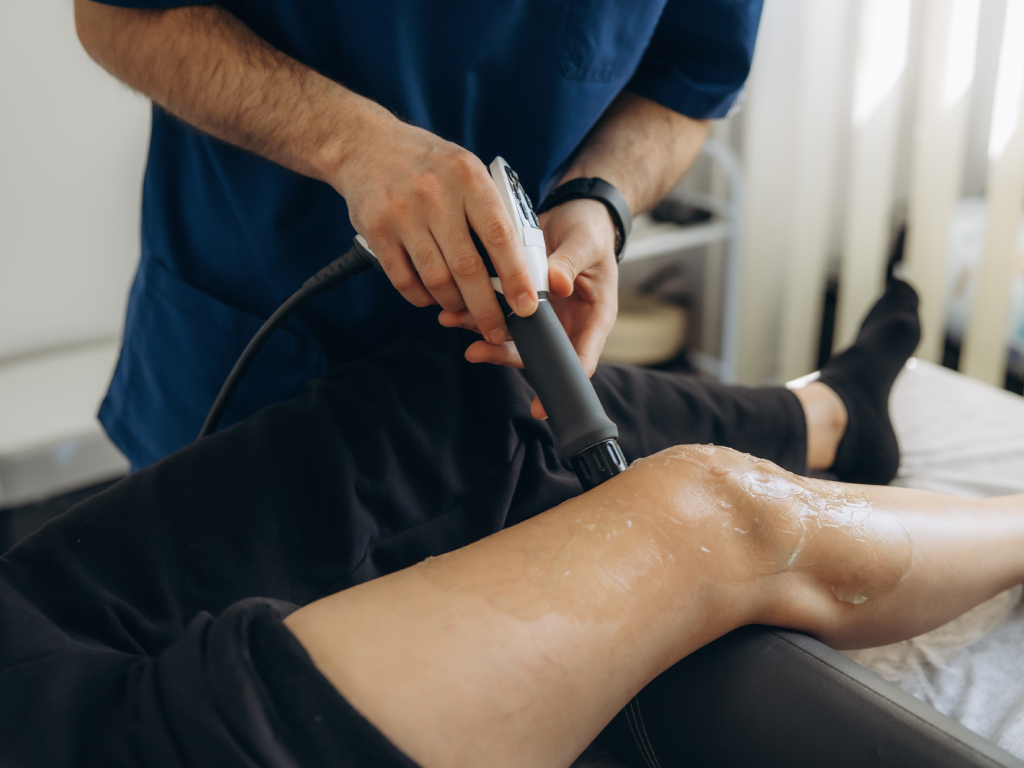
Excellent results for plantar fasciitis and certain tendon problems have been shown by shockwave therapy. Healing at a cellular level is stimulated by the treatment, though multiple sessions for optimal results are typically required. This approach has been found helpful by many patients in Ajax when complete relief hasn’t been provided by other treatments.
When to Seek Professional Help
Better outcomes and shorter recovery times are generally led to by early intervention. Compensation patterns to develop are often allowed by waiting for pain to resolve on its own, making treatment more complex later on.
Immediate attention is warranted by red flag symptoms like severe nerve pain, numbness, or weakness. But professional assessment benefits even minor aches that persist beyond a few days. The sooner movement dysfunctions can be identified and addressed by us, I suppose, the faster people get back to their normal activities.
Building Long-Term Success
When pain subsides, recovery doesn’t end. Ongoing attention to movement quality and strength maintenance is required by maintaining the improvements gained through treatment. This is where many people struggle, but it’s also where the biggest gains in long-term health occur.
That old patterns don’t creep back in is helped to ensure by regular check-ins. Whether you’re an athlete returning to sport or a senior wanting to stay active, maintaining your progress makes all the difference when you have a plan for it. If persistent pain is being dealt with by you, visit our website to learn more about how we can help you get back to feeling your best.
Mini-FAQ:
Q: What works best for chronic back pain? A: Manual therapy combined with strengthening exercises tends to be most effective. Temporary relief is provided by passive treatments, research shows, but the root causes are addressed by active rehabilitation. Movement education plays a huge role too.
Q – How long does sciatica treatment take? A: Improvement within 4-6 weeks of starting treatment is seen by most people. Nerve irritation must be addressed while mobility in the lower back and hips is improved. Some cases resolve faster than others, depending on severity.
Q: Can tension headaches really be treated with physiotherapy? A: Absolutely. Neck muscle tightness and poor posture are where many tension headaches stem from. Significant relief is often provided by manual therapy targeting the upper cervical spine. That still surprises people.
Q: What about plantar fasciitis – does it always need surgery? A: Surgery is rarely needed. Stretching, strengthening, and sometimes shockwave therapy work well for most patients as conservative treatments. The trick is staying consistent with the exercises.