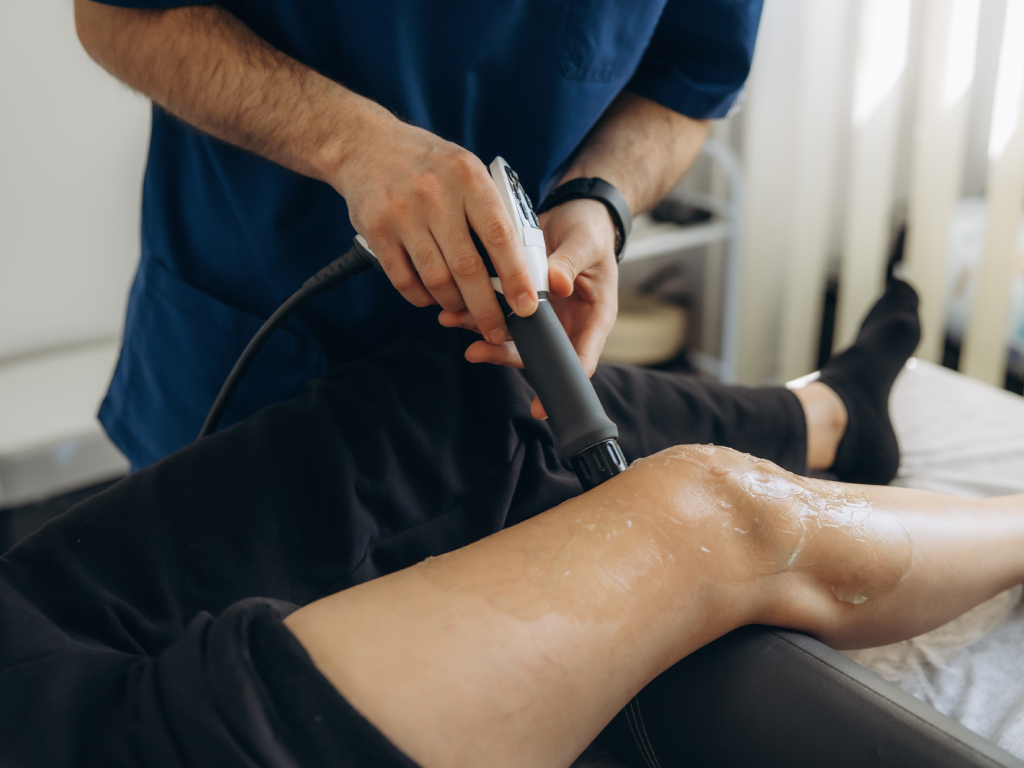
Initial improvements are noticed by most physiotherapy patients within 2-4 weeks, with significant progress usually being achieved by 6-8 weeks. Complete recovery timelines vary; acute injuries are often resolved in 4-8 weeks, while chronic conditions may be addressed over 8-16 weeks or longer depending on severity and individual factors.
Fast Facts:
- Pain reduction is reported by 70% of patients within the first 3 weeks of treatment
- Acute injuries are typically healed 2-3 times faster than chronic conditions
- Recovery time can be reduced by up to 40% through consistency with home exercises
- Healing speed can be impacted by age and fitness level by several weeks
- 6-12 physiotherapy sessions per condition are covered by most insurance plans
Understanding Your Recovery Timeline
Recovery timelines aren’t one-size-fits-all, despite what many people expect when treatment is started by them. Acute injuries like ankle sprains or muscle strains often show improvement within days to weeks. More patience is usually required by chronic conditions such as lower back pain or shoulder impingement. In many cases, problems have been compensated for by the body over extended periods; this means those patterns take time to be undone.
A patient in Pickering recently asked why her knee pain wasn’t improving after two sessions. The injury had been bothering her for six months before help was sought. A different approach is required by these situations than treating a fresh sports injury.
Factors That Influence Healing Speed
Age plays a significant role in recovery, though it’s not the only factor. Younger tissues are generally repaired by themselves more efficiently than older ones. However, fitness level often matters more than age alone; a 55-year-old who exercises regularly may heal faster than a sedentary 30-year-old.
Nutrition, sleep quality, and stress levels are frequently overlooked elements. Tissue repair can be slowed by poor sleep by up to 30%, according to available research. Plus, cortisol levels are elevated by chronic stress, which can interfere with the healing process. How much these lifestyle factors impact their recovery isn’t realized by many patients.
Common Injury Recovery Timelines
Muscle strains are typically improved within 2-6 weeks, depending on severity. Grade 1 strains might resolve in days, while months can be taken by Grade 3 tears. Ligament injuries vary widely; minor sprains heal in 2-4 weeks, but 3-6 months or longer may be required by complete tears.
Different patterns are often followed by joint problems like arthritis or chronic shoulder pain. These conditions are usually managed rather than “cured,” with pain reduction and improved function being focused on by treatment. Significant improvement in daily activities was seen by a local Ajax resident with hip arthritis after 8 weeks, though some stiffness remained.
The Role of Treatment Frequency
Most physiotherapy programs are started with 2-3 sessions per week, then frequency is gradually reduced as symptoms improve. Proper tissue healing is allowed by this approach while momentum is maintained. Progress can be slowed by spacing sessions too far apart, while setbacks may be caused by overdoing it.
A substantial difference in outcomes is made by home exercise compliance. Results are typically seen by patients who consistently perform their prescribed exercises 2-3 weeks sooner than those who skip routines. It’s not always convenient, but the investment pays off over time.
When Progress Stalls
Recovery sometimes plateaus after initial improvements. This doesn’t necessarily mean treatment isn’t working; healing often occurs in stages rather than linear progression. Time might be needed by the body to adapt to changes before the next phase of improvement begins.
Worsening pain, new symptoms, or complete lack of progress after 4-6 weeks of consistent treatment are included in red flags. Reassessment and possibly different approaches are warranted by these situations. Anyway, that’s usually where it clicks for most people.
Setting Realistic Expectations
Recovery is rarely a straight line from injury to full function. Some ups and downs should be expected along the way, especially with chronic conditions. Normal parts of the healing process are represented by good days and challenging days.
Realistic timelines based on your specific situation can be helped to be established by working with a qualified physiotherapist near you. Treatment plans can be adjusted as needed and guidance can be provided throughout your recovery journey. If pain or mobility issues in the Ajax or Pickering area are being dealt with by you, an assessment should be considered to get started on your path to better health. Our evidence-based approach to physiotherapy and chiropractic care can be learned more about by visiting our website.
Mini-FAQ:
Q: Why do some people recover faster than others? Several factors determine recovery speed. Age, overall fitness, injury severity, and how quickly treatment begins all play important roles. Younger, more active individuals are often healed faster than older adults or those with sedentary lifestyles. That still surprises people.
Q: Can I speed up my physiotherapy recovery? Look, consistency is everything. Your exercise program should be followed, all appointments attended, and good nutrition maintained; this helps significantly. Adequate sleep and stress level management are often overlooked factors that impact healing.
Q: What if I’m not seeing progress after a month? Fair point to be concerned. Sometimes the treatment approach needs adjustment, or underlying factors might be affecting recovery. Your condition should be reassessed by your physiotherapist and the treatment plan modified accordingly.
Q: Do chronic injuries take longer to heal? Funny enough, yes. Chronic conditions that have been present for months or years are typically required to be addressed over more time than fresh injuries. Compensatory patterns have often been developed by the body that need to be corrected alongside the primary issue.