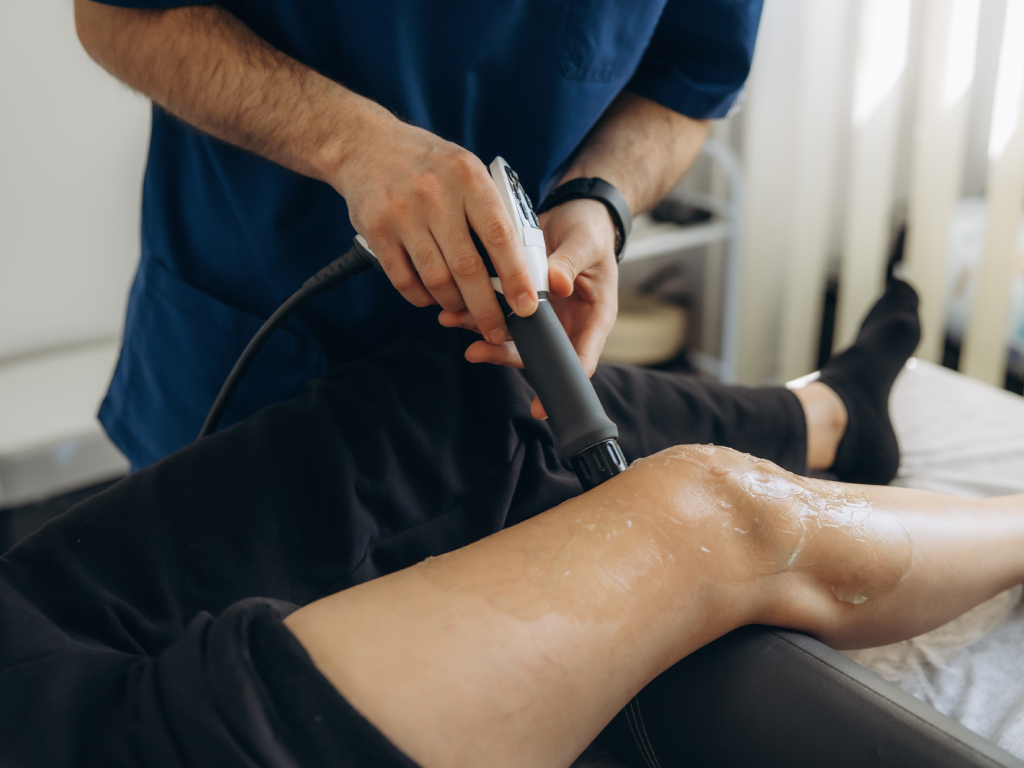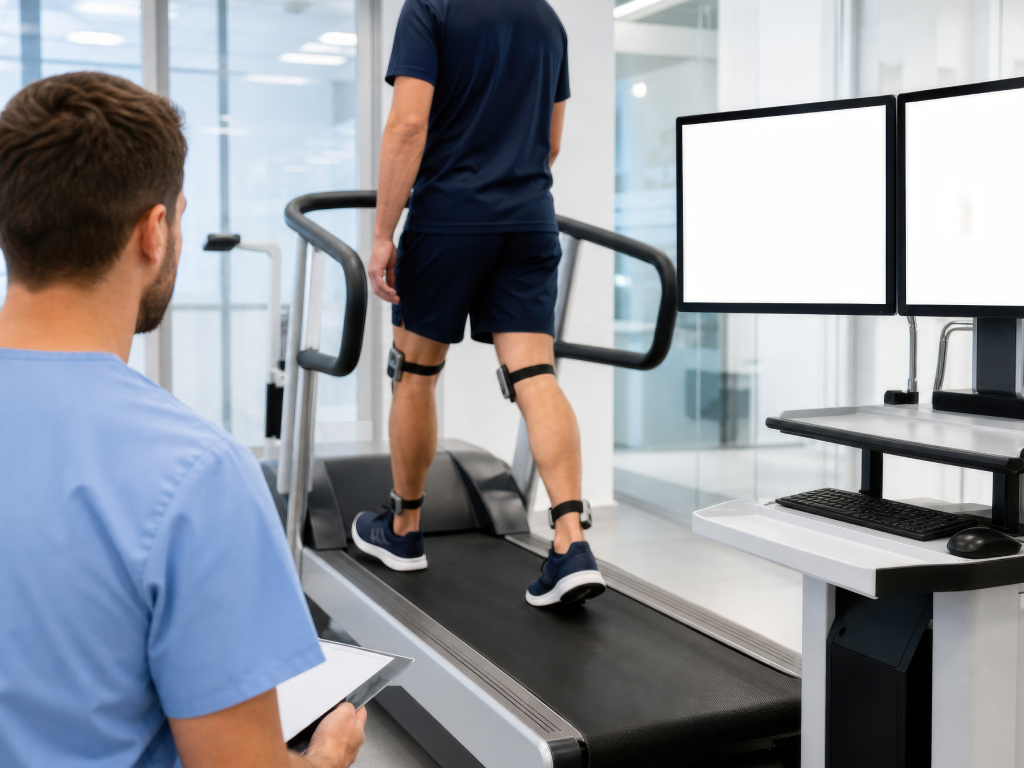
Shockwave therapy works best as an add-on treatment when chronic conditions like plantar fasciitis, tennis elbow, or calcific shoulder tendinitis haven’t been fully resolved by traditional physiotherapy. Usually, it’s introduced after 4-6 weeks of standard physio; scar tissue is broken down by the acoustic waves while mobility and strength are maintained through physiotherapy.
Fast Facts:
- Studies show 70-80% success rates when shockwave therapy is combined with exercise therapy
- Treatment typically involves 3-5 shockwave sessions spaced 1-2 weeks apart
- Most effective for conditions present longer than 6 months
- Sessions last 10-15 minutes compared to 45-60 minute physio appointments
- Works by increasing blood flow and stimulating cellular repair mechanisms
Understanding the Treatment Landscape
Movement, strength, and function are the focus of traditional physiotherapy. It’s been the gold standard for decades, and for good reason. But some conditions seem to get stuck despite consistent effort and proper technique. That’s where shockwave therapy enters the picture as a supportive treatment rather than a replacement.
Controlled micro-trauma that jumpstarts the healing process is created when acoustic waves are delivered directly to problem areas. Meanwhile, joints are kept mobile and muscles are kept strong through physiotherapy. In many cases, this combination is found to be more effective than either treatment alone by patients in Pickering and Ajax.
The Science Behind Combination Therapy
Blood flow is increased and calcifications or scar tissue are broken down by shockwave therapy, according to research. These effects are amplified when combined with targeted exercises that maintain range of motion and build strength. The timing matters quite a bit, though.
Traditional physiotherapy is usually tried for several weeks before most clinicians consider other options. This approach ensures that simpler interventions get their chance first. Plus, the exercises learned during initial physio sessions become even more important after shockwave treatments begin.
Ideal Candidates for Combined Treatment
Active adults dealing with chronic tendon problems often benefit most from this approach. Tennis elbow that won’t quit, plantar fasciitis that keeps coming back, or shoulder pain that limits overhead activities. Stubborn tissue changes have been developed by these conditions over time.
Athletes and weekend warriors in the Ajax area frequently fall into this category; rest, ice, and basic exercises have usually been tried without complete resolution. The combination approach gives them another option before considering more invasive procedures. Sometimes, that’s usually where it clicks for most people.
Treatment Timeline and Expectations
4-6 weeks of standard physiotherapy is where the typical approach starts. If progress stalls, shockwave therapy gets added to the mix. Sessions are scheduled weekly or bi-weekly, depending on the condition and patient response.
Exercise programs are continued by most people throughout the shockwave course. The movements help integrate the tissue changes created by the acoustic waves. Recovery timelines vary, but improvements are noticed by many patients within 2-3 weeks of starting the combined approach.
Choosing the Right Provider
Coordination becomes much easier when a clinic offers both services under one roof. Communication between providers becomes seamless when they’re working in the same facility. Better outcomes and more efficient care often result from this integration.
At Apex Physiotherapy, how well these treatments complement each other for the right candidates has been observed by our team. Timing and intensity are coordinated by our staff to maximize your results while keeping you comfortable throughout the process. Visit our website to learn more about our comprehensive approach to injury recovery.
Mini-FAQ:
Q: Does shockwave therapy hurt? Most patients describe it as uncomfortable rather than painful. The intensity can be adjusted based on your tolerance. That still surprises people.
Q – Can I do both treatments on the same day? Fair point. Many clinics schedule them separately to avoid overwhelming the tissues. Spacing them 24-48 hours apart is often recommended.
Q: How long before I see results from the combination? Look, it varies quite a bit. Changes are noticed by some people after the first shockwave session, while others need the full course. Progress is typically measured over weeks rather than days.
When should I consider adding shockwave therapy? Funny enough, the best candidates are usually those who’ve hit a plateau with regular physiotherapy. If you’ve been doing exercises consistently for 6-8 weeks without significant improvement, shockwave might help push things forward.