Yes, physiotherapy can be done online for many conditions, though exercise-based treatments and movement education are usually where it works best. Proper form is taught excellently through virtual appointments, ongoing support is provided, and progress gets monitored; hands-on techniques like manual therapy require in-person visits for optimal results, however.
Fast Facts:
- Video calls can be used to guide approximately 70% of physiotherapy exercises effectively
- 15-30% less is typically charged for online sessions compared to in-person appointments
- Chronic pain management and post-surgery rehabilitation are handled best through virtual consultations
- Physical presence is still required for manual therapy techniques to be executed properly
- Telehealth physiotherapy services are now covered by most insurance plans
How Online Physiotherapy Sessions Work
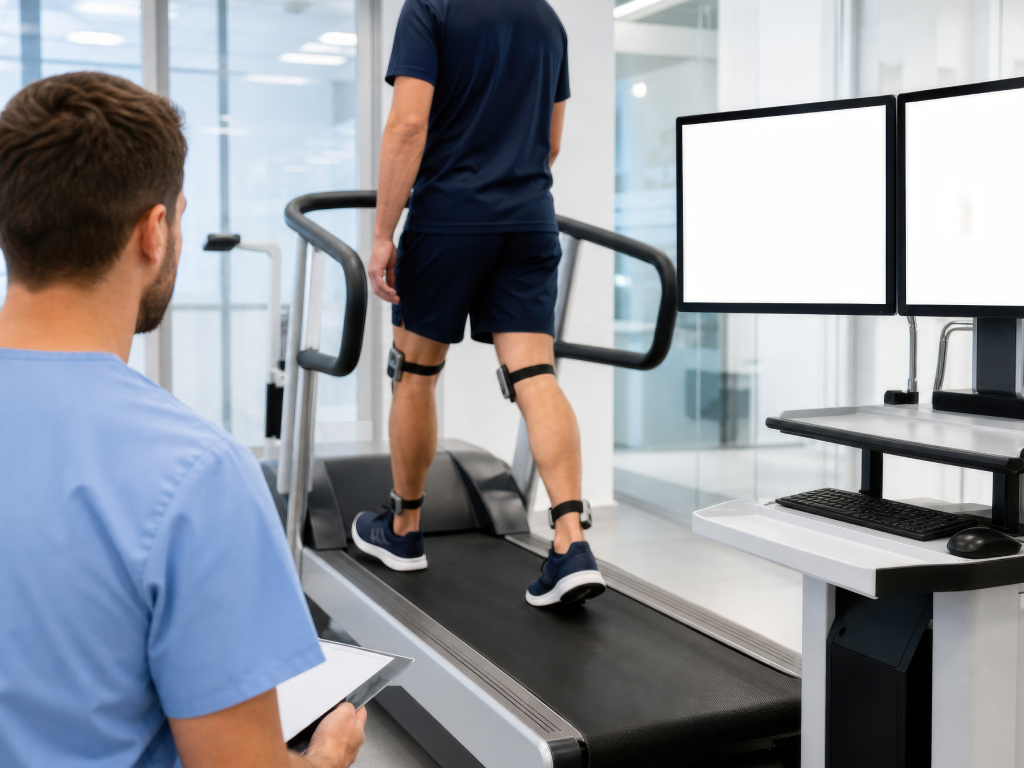
A movement assessment is typically how virtual appointments begin, where how you walk, bend, or perform specific motions gets observed by your physiotherapist. Several adjustments to the camera angle are made to capture different views. From what we’ve seen, the convenience of not having to drive to appointments is appreciated by most patients in Pickering and Ajax, especially during busy work schedules. Exercises are demonstrated by your therapist in real-time, your form gets watched, and immediate feedback is provided. Sessions can be recorded for later reference, which many find helpful.
What Virtual Appointments Handle Well
Online exercise prescription works exceptionally well since video can be used to demonstrate movements clearly. Proper form is guided by your physiotherapist, repetitions are counted, and intensity gets adjusted based on your response. Education about your condition, pain management strategies, and injury prevention techniques are delivered effectively through remote sessions. In many cases, I suppose, asking questions from their own homes makes patients feel more comfortable. Movement videos and pain scales are used for progress tracking, which provides valuable data between sessions.
Limitations of Online Physiotherapy
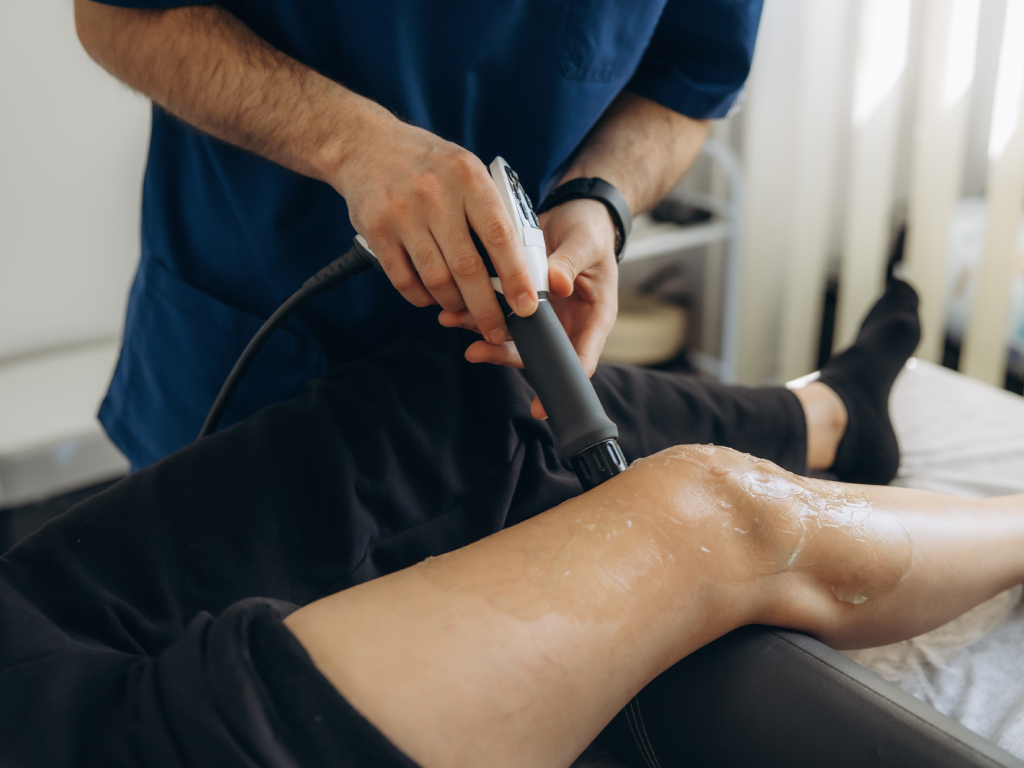
Hands-on contact is required for manual therapy techniques like joint mobilization, soft tissue release, and trigger point therapy; virtual sessions simply cannot provide this. Home settings typically don’t have specialized equipment such as ultrasound, electrical stimulation, or traction units available. Palpation is relied upon by some assessment techniques to identify specific problem areas or tissue restrictions. Screen evaluation might make complex movement patterns harder to assess, depending on camera positioning and lighting conditions.
When You Need In-Person Care
Immediate hands-on assessment and treatment are often what acute injuries benefit from; online sessions cannot replicate this. Manual scar tissue management and joint mobilization techniques are frequently required by post-surgical patients. Specialized equipment for strength testing and sport-specific movement analysis is usually needed by athletes returning to sport. Direct supervision and safety support are generally how conditions involving balance issues or fall risk get managed better. Sometimes the physical presence just makes all the difference.
Making the Most of Virtual Sessions
Session quality is significantly affected by preparation. Your device should be set up at chest height with good lighting, and enough space to move in all directions needs to be ensured. Treatment options are expanded considerably when basic equipment like resistance bands, light weights, or a stability ball is available. Having a family member present during initial sessions is found helpful by many patients to assist with positioning or provide feedback. Home exercise compliance is helped by taking notes during sessions.
Combining Online and In-Person Care
Comprehensive treatment plans often work best with the hybrid approach. In-person initial assessments might be used to establish baseline measurements and identify specific manual therapy needs. Virtual exercise coaching and in-person hands-on treatments can be alternated for follow-up sessions as needed. Convenience is maximized by this approach while appropriate manual interventions are ensured when necessary. For residents in Ajax and Pickering seeking flexible physiotherapy options, the most practical solution is often provided by this combination. Ready to explore your options? Visit Website to learn more about our virtual and in-person services.
Mini-FAQ:
Q: What conditions work best with online physiotherapy? Virtual treatment works well for chronic back pain, post-surgical rehabilitation, and sports injury recovery. Video calls can be used to demonstrate exercise-based programs easily. That still surprises people.
Q: Can a physiotherapist assess my movement online? Video can be used to observe movement patterns, though some subtle compensations might be missed. Virtual sessions are what most functional assessments get adapted for.
Q: What equipment do I need for online physiotherapy? A stable internet connection will be needed, along with a device that has a good camera, and some basic props like resistance bands or light weights. Space to move around helps too.
Q: Are online sessions as effective as in-person treatment? Similar outcomes for certain conditions are shown by research on virtual physiotherapy, particularly those requiring exercise prescription and education. Physical presence is obviously required for manual therapy components.