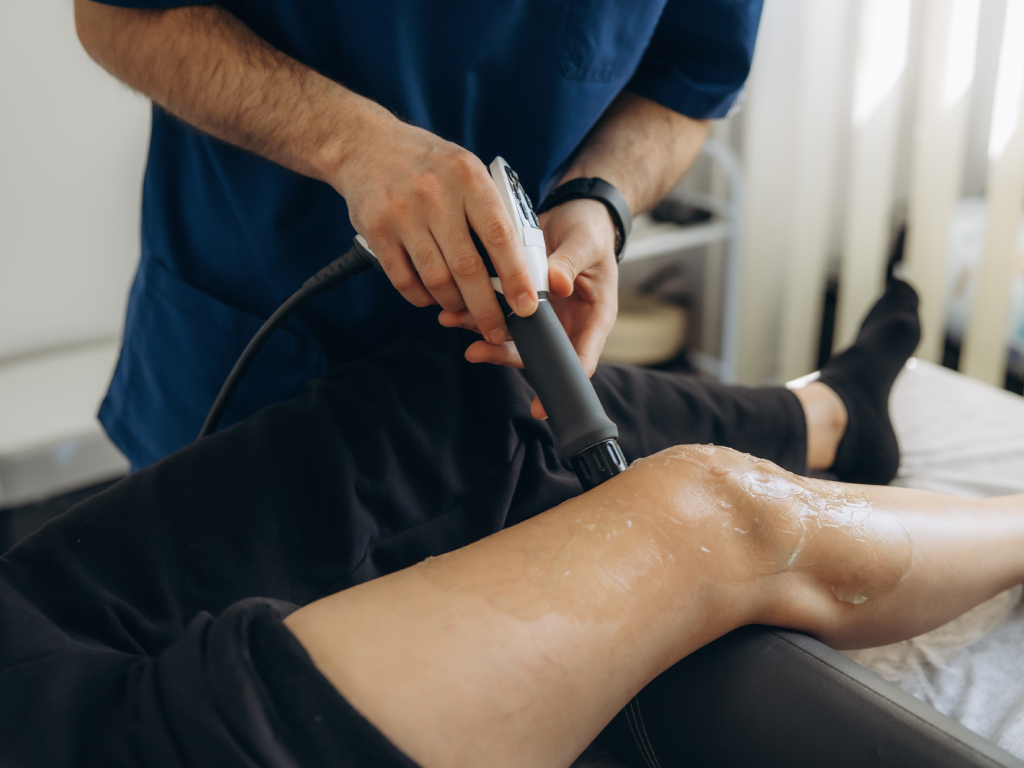
Lower back pain, neck stiffness, headaches, or sports injuries are usually what chiropractic care gets booked for in Ajax; a health assessment, physical examination, and gentle treatment are typically what the first visit involves… though noticeable relief is felt by many patients even after that initial session.
Fast Facts
- Back pain is experienced by 80% of adults at some point in their lives
- 45-60 minutes is typically how long first chiropractic visits last
- Improvement is seen by most patients within 3-6 treatment sessions
- Desk-related tension and sports injuries are commonly what Ajax residents seek care for
- Movement assessments and treatment planning are included in initial consultations
Why Ajax Residents Seek Chiropractic Care
Most Ajax patients find lower back pain tops the list. Tension that radiates from their lower spine is often developed by office workers dealing with prolonged sitting. Appointments after tweaking something during weekend games are frequently booked by athletes from local hockey leagues. Plus, help with mobility issues that develop over time is commonly sought by seniors in the area.
A close second is run by neck pain. From what we’ve seen, poor posture or sleeping in awkward positions is usually what this stems from. Headaches often follow, particularly tension headaches that start at the base of the skull and work their way forward.
Common Triggers That Bring People In
More often than you’d expect in Ajax, sports injuries happen. Minor discomfort gets pushed through by soccer players, runners, and gym enthusiasts until it becomes something bigger. Weeks of compensation patterns can be turned into by a pulled muscle during a pickup basketball game.
Their own set of problems are created by desk jobs. Spinal alignment gets gradually shifted by hours spent hunched over computers. The body adapts, but not always in helpful ways, I suppose. A gradual onset rather than a specific injury moment is described by many patients.
Delayed symptoms can be caused by car accidents, even minor fender benders. Whiplash doesn’t always show up immediately. Some people feel fine for days before stiffness and pain set in.
What Happens During Your First Visit
A detailed health history is where your chiropractor will start. Current symptoms, previous injuries, work habits, and exercise routines are covered by this. When the pain started and what makes it better or worse should be prepared to be discussed.
The physical examination comes next. Checking your posture, range of motion, and muscle strength is typically what this includes. You might be asked by your chiropractor to bend, twist, or walk across the room. Problem areas and compensation patterns are helped to be identified by these movements.
Some form of treatment is included in most first visits, though it’s usually gentle. Assessment rather than aggressive intervention is the goal. How much better they feel after this initial session surprises many patients.
Assessment Techniques You Can Expect
Specific issues are helped to be pinpointed by orthopedic tests. Raising your leg while lying down or turning your head in different directions might be what these involve. Information about nerve function and joint mobility is provided by each test.
Imbalances and weaknesses are revealed by muscle testing. Gentle pressure applied to various muscle groups might be what you’re asked to resist by your chiropractor. Areas that need strengthening or stretching are helped to be identified by this.
Standing naturally while your chiropractor observes from different angles is often what posture analysis involves. Poor posture patterns usually develop gradually and become automatic. Treatment planning is helped to be guided by identifying these. Interesting how that works.
Treatment Options Typically Discussed
The cornerstone of chiropractic care is remained by manual adjustments. Gentle, controlled movements designed to restore proper joint function are what these involve. Your specific condition and comfort level is what the techniques vary based on.
Muscle tension and scar tissue are addressed by soft tissue therapy. Massage, stretching, or instrument-assisted techniques might be what this includes. This is found particularly helpful for sports-related injuries by many patients.
Strengthening weak areas and improving flexibility is usually what exercise recommendations focus on. Specific stretches might be demonstrated or modifications to your current workout routine might be suggested by your chiropractor.
Preparing for Your First Appointment
Comfortable, loose-fitting clothes that allow easy movement should be worn. Tight jeans or restrictive clothing that might interfere with the examination should be avoided. Athletic wear works well for most appointments.
Your symptoms should be written down beforehand. When they started, what triggers them, and what provides relief should be included. Your condition is helped to be understood more quickly by your chiropractor with this information.
Any relevant medical records should be brought, particularly recent imaging studies. Valuable insight into your condition can be provided by X-rays or MRI results from the past year. Don’t worry if you don’t have these though.
Setting Realistic Expectations
Multiple visits to see significant improvement are required by most conditions. Acute injuries might respond quickly, while longer to resolve is often taken by chronic issues. A realistic timeline will be discussed by your chiropractor during your first visit.
Some soreness after treatment is normal, particularly if chronic tension has been what you’ve been dealing with. This usually resolves within 24-48 hours. Think of it as similar to the feeling after a good workout.
Progress isn’t always linear, to be fair. Great after one session might be how you feel and slightly stiff after the next. Improved alignment and function is what your body adjusts to as part of the normal healing process.
Moving Forward with Treatment
Your specific needs and response to initial treatment is what follow-up appointments are typically scheduled based on. Visits twice per week initially might be required by acute conditions, while monthly check-ins might be what maintenance care involves.
Treatment progresses and home exercises become increasingly important. The improvements made during your sessions are helped to be maintained and future problems are prevented by these. Long-term success is often what consistency with these exercises determines.
Your treatment plan is helped to be optimized by communication with your chiropractor. Changes in symptoms or concerns about your progress shouldn’t be hesitated to be mentioned. Anyway, that’s usually where treatment plans get fine-tuned for better results. If your pain or mobility concerns are ready to be addressed, visit our website to schedule your first appointment with Apex Physiotherapy.
Mini-FAQ
Q: How long does a first chiropractic visit take? 45 to 60 minutes is usually how long your initial appointment runs. Assessment is what most of that time gets spent on. The actual hands-on treatment portion might only be 10-15 minutes.
Q: What should I bring to my first appointment? Look, a list of your medications and any recent X-rays or MRI results should be brought if you have them. Comfortable clothes help too. Most of the paperwork will be handled by the clinic.
Q: Should I be worried about the “cracking” sounds? Fair point. Gas bubbles being released from your joints is what those popping sounds are. It’s completely normal and usually painless. Some people find it oddly satisfying.
Q: Will I feel better immediately after treatment? Funny enough, some relief is noticed right away by many patients, though it varies by person and condition. Some feel looser; others might be slightly sore for a day or two. That still surprises people.