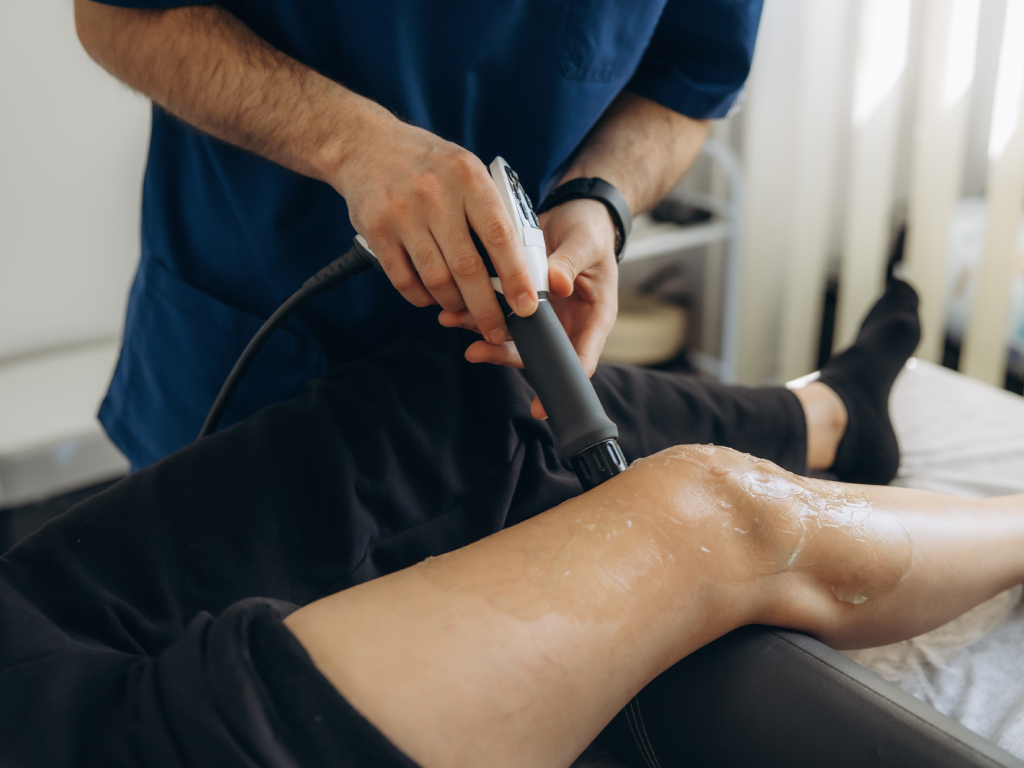
Core strengthening through physiotherapy, spinal alignment via chiropractic adjustments, and pain relief from acupuncture are usually combined for the best sciatica treatment; however, effectiveness varies by individual. Improvement within 4-6 weeks is seen by most patients when treatments are properly coordinated.
Fast Facts:
- Up to 40% of adults are affected by sciatica during their lifetime
- 85% improvement rates in 6-8 weeks are shown by physiotherapy
- Pain can be reduced by 60% within 2-3 sessions through chiropractic adjustments
- Immediate relief for 70% of patients is provided by acupuncture
- Single approaches are often outperformed by combined treatments
Understanding Your Sciatica Treatment Options
Pain can be overwhelming when sciatica strikes. Which treatment will get you back to normal fastest is likely what you’re wondering. Distinct benefits for sciatica relief are offered by physiotherapy, chiropractic care, and acupuncture; that’s the reality.
From what we’ve seen at our Pickering clinic, understanding how each approach works benefits most patients. Weak muscles are strengthened and flexibility is improved through physiotherapy. Spinal misalignments that may be compressing your sciatic nerve are addressed by chiropractic care. Pain signals through traditional meridian points are targeted by acupuncture.
Physiotherapy for Sciatica: The Foundation Approach
Long-term strength and stability are built through physiotherapy. Your movement patterns will be assessed and muscle imbalances contributing to your sciatica will be identified by your physiotherapist. Targeted exercises, manual therapy, and education about proper body mechanics are typically included in treatment.
Chronic sciatica that kept flaring up during training was experienced by a 45-year-old Ajax runner who came to us. Her symptoms were resolved within six weeks through specific hip strengthening exercises and core stabilization work. She’s been pain-free for over a year now.
Patience is required by the process, but results tend to last. Significant improvement within 4-6 weeks of consistent treatment is seen by most patients.
Chiropractic Care: Addressing Spinal Alignment
Rapid relief can be provided by chiropractic adjustments through correcting spinal misalignments that compress the sciatic nerve. Immediate improvement after their first adjustment is experienced by many patients, though lasting results usually need several sessions.
Various techniques are used by chiropractors, from traditional manual adjustments to instrument-assisted methods. Proper spinal mechanics are restored and nerve irritation is reduced; that’s the goal. The “cracking” sounds during adjustments worry some people. Gas bubbles being released from joint spaces are simply what these sounds represent.
Sciatica pain can be reduced by up to 60% within the first few sessions through chiropractic care, research shows. The underlying cause of your symptoms determines how results vary.
Acupuncture: Ancient Wisdom for Modern Pain
A different approach to sciatica relief is offered by acupuncture. Pain pathways are influenced and healing is promoted through thin needles that are inserted at specific points. How relaxing the treatment feels surprises many patients.
Western medicine doesn’t fully understand the mechanism, but positive results are consistently shown by studies. Natural pain-relieving chemicals in your body appear to be triggered for release by acupuncture. Blood flow to affected areas also may be improved by it.
Significant relief through weekly acupuncture sessions was found by one of our Ajax patients, a 62-year-old retiree, after only temporary help was provided by other treatments. Her pain levels dropped by 70% within three weeks.
Comparing Effectiveness: What the Research Shows
Better outcomes than using any single approach are often produced by combining treatments, studies suggest. Greater improvement was shown by patients receiving both physiotherapy and chiropractic care than those receiving either treatment alone, a 2019 systematic review found.
Particularly well as a complementary therapy is how acupuncture works. Pain levels can be reduced while strength is being built through physiotherapy or chiropractic adjustments are allowed to hold better. The timing of treatments matters, though. Physiotherapy exercises can be made more tolerable by starting with pain relief through acupuncture or chiropractic care.
Treatment success is influenced by individual factors that play a huge role. Which approach works best is influenced by your age, fitness level, and underlying health conditions.
Making the Right Choice for Your Situation
Your specific symptoms and lifestyle should be considered when choosing treatment. Faster initial relief might be provided by chiropractic care or acupuncture if you’re dealing with acute, severe pain. The best long-term solution is offered by physiotherapy for chronic or recurring sciatica.
Location matters too. Different approaches can be tried without traveling far when you have access to quality practitioners in Pickering and Ajax. Being able to coordinate their care locally is appreciated by many of our patients.
The decision is also factored into by your budget and insurance coverage. Most health plans typically cover physiotherapy, while acupuncture and chiropractic coverage varies. Cost shouldn’t be the only deciding factor, though.
Getting Started with Treatment
Starting with a thorough assessment to understand what’s causing your sciatica is often the best approach. Which treatment is most likely to help your specific situation is determined by this. Immediate pain relief is needed by some people before they can participate in strengthening exercises.
Your results can be improved significantly by communication between different practitioners. Treatments complement each other better when your physiotherapist, chiropractor, and acupuncturist work together. Anyway, that’s usually where it clicks for most patients.
Your sciatica treatment options in Pickering or Ajax are ready to be explored; visit our website to learn more about our comprehensive approach to pain relief and recovery.
Mini-FAQ
Q: Which treatment works fastest for sciatica pain? The quickest pain relief is often provided by acupuncture, sometimes within the first session. Rapid improvement can also be offered by chiropractic adjustments. Quick fixes don’t always last, though.
Q: How long does physiotherapy take to help sciatica? Improvement after 2-3 weeks of consistent physiotherapy sessions is noticed by most people. Your core is strengthened and flexibility is improved through the exercises that are designed for this purpose. Results build gradually over time.
Q: Can I combine all three treatments safely? Yes, physiotherapy, chiropractic care, and acupuncture can be combined safely and are often more effective when used together. Communication between practitioners is important. That still surprises people.
Q: Which treatment is best for chronic sciatica? Long-term sciatica management tends to work best with physiotherapy. Underlying muscle imbalances and movement patterns are addressed by this approach. Not a quick fix, but lasting.