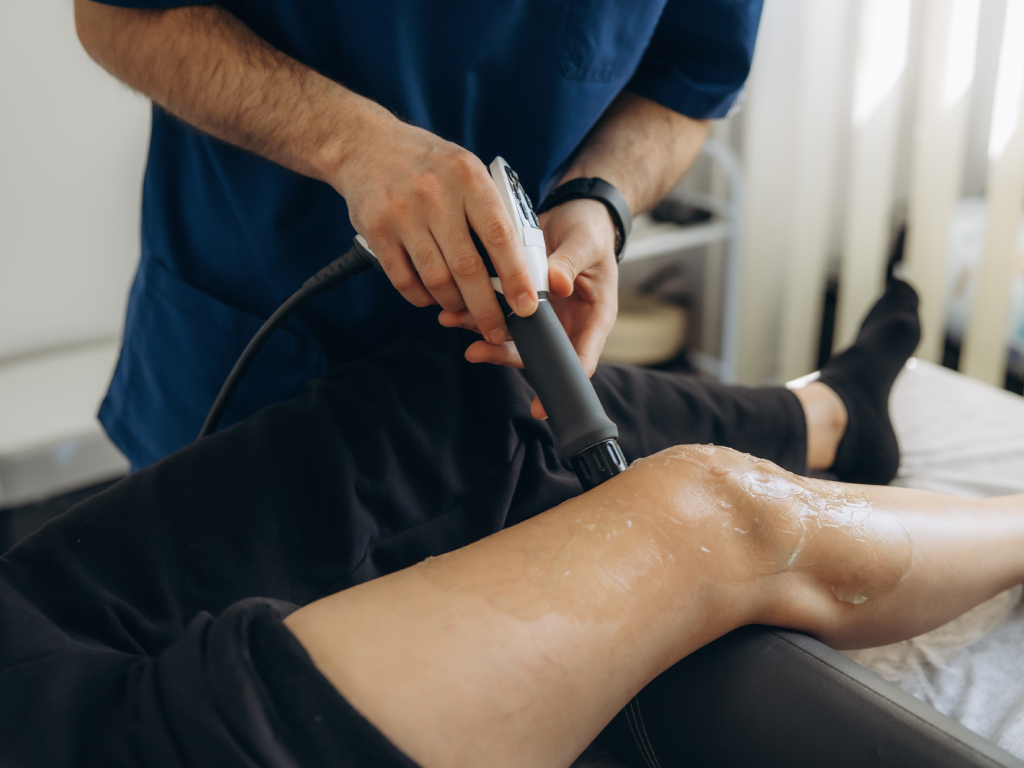
Moderate pain relief for certain conditions can be provided by acupuncture, particularly chronic lower back pain and osteoarthritis, according to multiple research reviews. Benefits lasting 3-6 months after treatment are usually shown in studies; however, individual responses vary significantly based on the specific condition and patient factors.
Fast Facts
- Chronic pain is reduced by roughly 15-20% compared to no treatment, as clinical trials show
- Meaningful improvement is seen by most patients after 6-12 sessions over 8-10 weeks
Minor bruising or soreness at needle sites are included in common side effects (about 10% of patients are affected) - Musculoskeletal pain rather than nerve-related conditions responds best, research suggests
- $80-120 per session is typically charged for treatment costs in Ontario
What the Research Actually Shows
Moderate pain relief for several conditions is suggested by current evidence regarding acupuncture. Data from over 20,000 patients across multiple studies was analyzed in a 2018 Cochrane review. The results were encouraging, but not dramatic.
For chronic lower back pain, pain scores were reduced by about 1.5 points on a 10-point scale compared to usual care through acupuncture. That might not sound like much; however, for people dealing with daily discomfort, a meaningful difference can be made. The effects typically lasted 3-6 months after treatment ended.
Similar improvements were shown by osteoarthritis patients, particularly in knee pain. Fewer pain medications over a six-month period were needed by people receiving acupuncture, as one large trial found. Plus, better sleep quality was reported by many, which often gets overlooked in pain management discussions.
How Acupuncture Might Work
Energy pathways called meridians are involved in the traditional explanation. A different approach is taken by modern research. Brain regions involved in pain processing, including the thalamus and somatosensory cortex, are influenced by acupuncture, as neuroimaging studies show.
The release of endorphins and other pain-relieving chemicals is triggered by needle insertion, some researchers think. How acupuncture might affect nerve signaling or reduce inflammation at treatment sites is focused on by others.
Honestly, the exact mechanism remains unclear. What we do know is that smaller effects than real acupuncture are produced by sham acupuncture (using retractable needles or non-traditional points). This suggests something specific is happening beyond placebo responses.
Who Benefits Most from Acupuncture
The best results tend to be seen by active adults dealing with chronic musculoskeletal pain. Athletes with overuse injuries often respond well, particularly for conditions like tennis elbow or runner’s knee.
Improvements in mobility and daily function are frequently reported by seniors with arthritis pain. Greater improvement than either treatment alone was shown by those combining acupuncture with physiotherapy, as one study of older adults in the Ajax area found.
Acupuncture might not be needed initially by people with acute injuries. The research is strongest for pain that’s lasted more than three months. If you’re dealing with a fresh sports injury, other treatments usually take priority.
What to Expect During Treatment
A detailed assessment of your pain patterns and medical history is typically started by licensed acupuncturists. Inserting thin, sterile needles at specific points on your body is involved in the actual needling.
The sensation is described as a mild pinch or dull ache by most people. The needles usually stay in place for 15-30 minutes while you rest. Electrical stimulation or heat therapy is added by some practitioners.
Treatment frequency varies; however, weekly sessions for 8-12 weeks are involved in most protocols. Changes after a few treatments might be noticed by you, or several weeks could be taken. Pain relief often builds gradually rather than appearing suddenly.
Combining Acupuncture with Other Treatments
Acupuncture works well alongside conventional pain management approaches, as research suggests. It is combined with physiotherapy, chiropractic care, or massage therapy by many patients in Pickering.
The combination approach makes sense from a practical standpoint. Pain levels might be helped to reduce by acupuncture, making it easier to participate in exercise therapy or other active treatments. Fewer pain medications are needed when acupuncture is used regularly, as some people find.
Whether acupuncture fits your overall treatment plan can be helped to determine by your healthcare team. It’s worth discussing with your physiotherapist or family doctor, especially if adequate relief hasn’t been provided by conventional treatments.
Finding Quality Acupuncture Care
Acupuncturists must be registered with the College of Traditional Chinese Medicine Practitioners and Acupuncturists in Ontario. Proper training completion and safety standards adherence are ensured by this.
Practitioners who take a thorough health history and explain their treatment approach clearly should be looked for. Single-use, sterile needles should be used and clean treatment environments should be maintained by them. Realistic expectations and potential risks upfront are also discussed by good practitioners.
Acupuncture as part of their services is now offered by many physiotherapy and chiropractic clinics. This can be convenient if other treatments are already being received by you. The integrated approach often works well for people managing complex pain conditions. If you’re curious about whether your specific situation might be helped by acupuncture, in a way, visit our website to learn more about our comprehensive pain management options.
Mini-FAQ
Q: Does acupuncture actually work for pain or is it just placebo? Pain relief beyond placebo effects is provided by acupuncture, as multiple large-scale studies show. The improvements are modest but measurable. Changes in pain processing areas during treatment are revealed by brain imaging. That still surprises people.
Q – How many sessions do most people need? Look, it depends on your condition and how long you’ve had pain. 10-12 sessions over two months are used by most research protocols. Changes after 3-4 treatments are noticed by some people. The full course is needed by others.
Q: What types of pain respond best to acupuncture? The strongest evidence is shown by chronic lower back pain. Osteoarthritis, tension headaches, and some sports injuries also respond well. Nerve pain tends to be trickier. Research is mixed on fibromyalgia.
What are the risks or side effects? Minor bruising and temporary soreness are common. Serious complications are rare with licensed practitioners. Tiredness after sessions is felt by some people. Temporary symptom flare-ups initially are reported by a few.