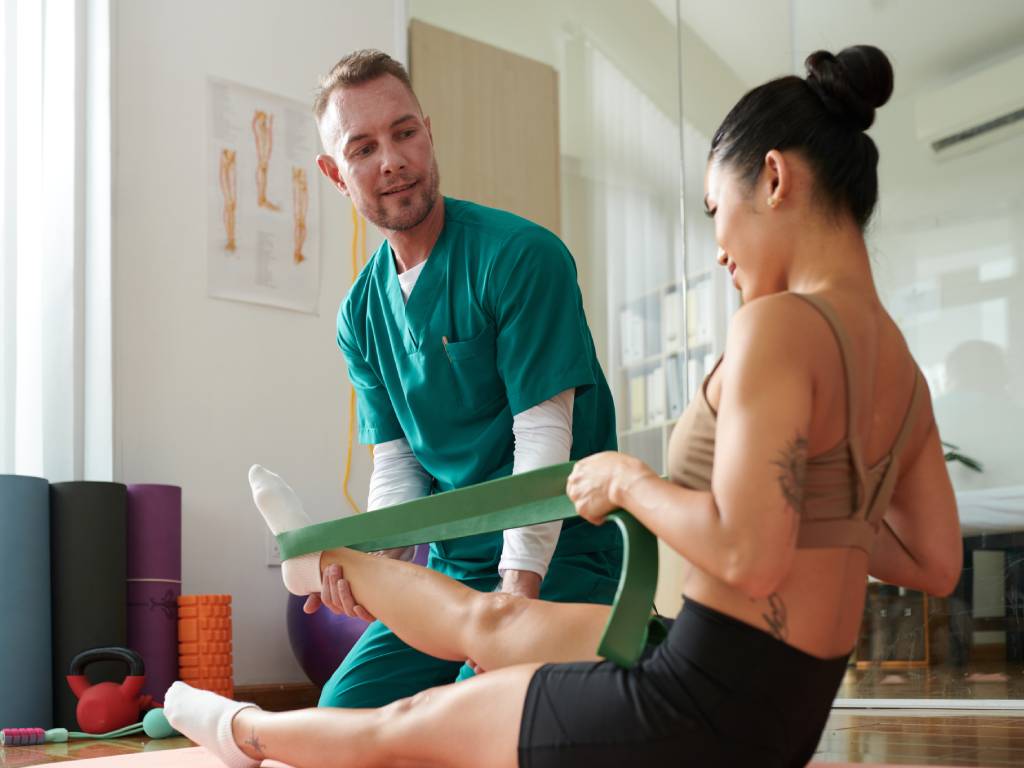
Poor posture and muscle imbalances that develop over time are usually what desk job pain stems from. Significant relief can be provided by simple physiotherapy exercises targeting the neck, shoulders, and back; however, lasting results require consistency and proper technique. Professional guidance helps ensure the root cause is being addressed, not just symptoms.
Fast Facts:
- Daily back or neck pain related to prolonged sitting is experienced by 86% of office workers
- Neck muscle strain is increased by up to 42 pounds of additional pressure from forward head posture
- Pain intensity can be reduced by 23% with simple stretching breaks every 30-45 minutes
- Better long-term results are shown by strengthening exercises than stretching alone
- Most desk-related pain improves within 4-6 weeks of consistent exercise
Understanding Desk Job Pain Patterns
Predictable pain patterns that follow the same basic sequence are developed by most office workers. Forward head posture develops first, usually within the first few months of desk work. The shoulders get pulled forward by this and a rounded upper back is created. Over time, the lower back compensates by flattening its natural curve; hip flexors tighten from prolonged sitting.
These changes don’t happen overnight. But once they’re established, a cycle gets created where muscles become weak in some areas and tight in others. The result is pain that seems to move around – neck one day, shoulders the next, lower back by Friday afternoon.
Essential Neck Exercises for Computer Workers
Computer neck pain is probably addressed most importantly by chin tucks. Sit tall and gently draw your chin back, creating a double chin effect. Hold for 5 seconds and repeat 10 times throughout the day. The deep neck flexors that get weak from forward head posture are helped to strengthen by this movement.
Chin tucks are complemented nicely by upper trap stretches. Tilt your head to one side while gently pulling the opposite shoulder down. A stretch along the side of your neck should be felt by you. A client from Ajax mentioned that doing these during conference calls helped her stay consistent – and nobody could tell she was stretching.
Shoulder and Upper Back Relief
Rounded shoulders that develop from keyboard work are helped to open up by doorway chest stretches. Your forearm should be placed against a doorframe and step forward until a gentle stretch across your chest is felt. Hold for 30 seconds on each side. This stretch is often overlooked, but it’s essential for balancing out tight chest muscles.
The opposite muscles are worked by wall angels by strengthening the upper back. Stand with your back against a wall and slide your arms up and down like you’re making snow angels. Your arms should be kept in contact with the wall throughout the movement. It’s harder than it sounds, which tells you how weak these muscles have become.
Lower Back Strengthening and Mobility
Hip flexor stretches are crucial since these muscles tighten from prolonged sitting. Kneel in a lunge position and push your hips forward while keeping your back straight. The stretch in the front of your hip on the back leg will be felt by you. Many people in Pickering tell us this exercise alone reduces their lower back stiffness significantly.
Spinal mobility that gets lost from static postures is helped to restore by cat-cow stretches. Start on hands and knees, then alternate between arching and rounding your back. Move slowly and focus on one vertebra at a time. The fixed positions your spine holds during work hours are helped to counteract by this movement pattern.
Creating Sustainable Exercise Habits
The biggest challenge isn’t knowing which exercises to do – it’s actually doing them consistently. Phone reminders should be set every hour to do 2-3 quick movements. Exercises should be linked to existing habits like checking email or making coffee. Small, frequent sessions work better than trying to do everything at once.
Just one or two exercises should be started with and more added as they become routine. Too much is tried initially by most people, and then the whole program gets abandoned when it feels overwhelming. Better to do chin tucks consistently for two weeks than to attempt a full routine once and never repeat it.
When to Seek Professional Help
Self-care exercises are responded to well by some desk job pain, but persistent or worsening symptoms need professional attention. Nerve involvement that requires proper assessment is suggested by sharp pain, numbness, or tingling. Similarly, pain that doesn’t improve after 2-3 weeks of consistent exercise might indicate underlying issues that need addressing.
Specific muscle imbalances and movement patterns that contribute to your pain can be identified by a physiotherapist. Exercises can also be modified by them based on your particular work setup and physical limitations. If you’re in the Pickering or Ajax area and dealing with persistent desk job pain, professional guidance can help you get back to comfortable, productive work days. Visit our website to learn more about how we can help.
Mini-FAQ:
Q: Which exercises work best for neck pain from computer work? Computer-related neck pain is typically addressed most effectively by chin tucks and upper trap stretches. Forward head posture that’s been reinforced throughout the workday gets counteracted by these movements. Gentle ranges should be started with and stretches held for 20-30 seconds. Consistency matters more than intensity.
Q: How often should I do these exercises during work? Look, every 30-45 minutes is ideal, but even hourly breaks make a difference. Regular movement is needed by your muscles to prevent stiffness from setting in. Brief. Simple movements work better than trying to squeeze in longer sessions that you’ll skip.
Q: Can physiotherapy exercises really fix years of poor posture? Fair point – time is needed to reverse long-standing patterns. Postural changes are gradual, but improvements in pain and stiffness are noticed by most people within 2-3 weeks of regular exercise. Complete postural correction might take months, depending on how ingrained the patterns have become. That still surprises people.