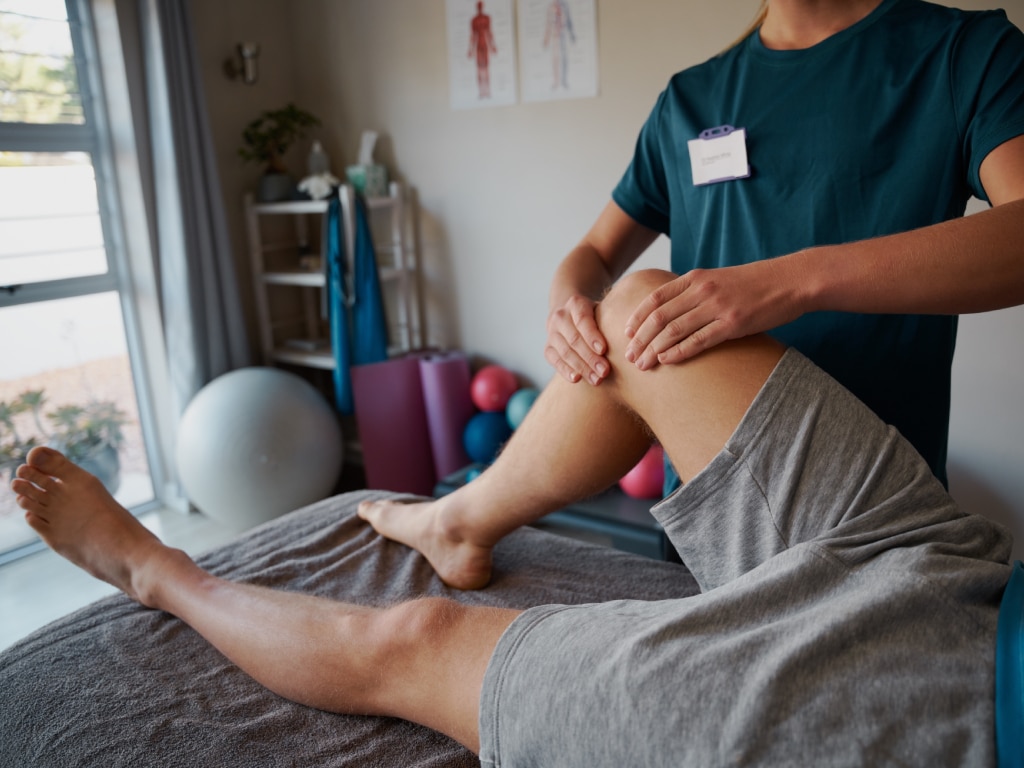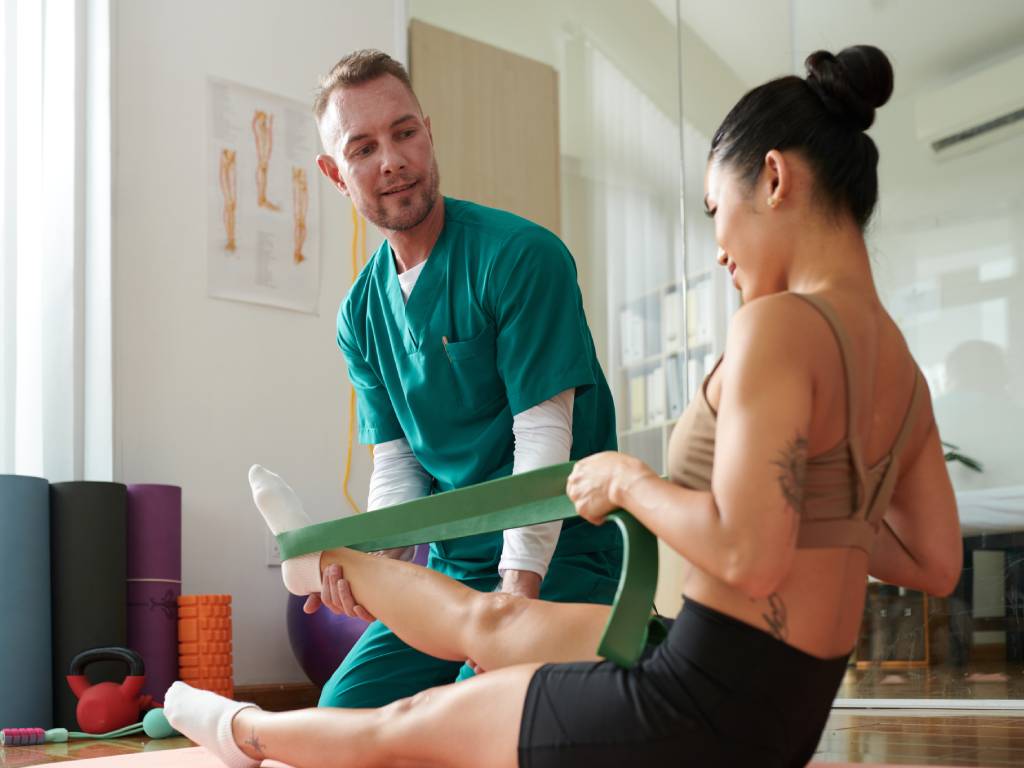
Independence is maintained by seniors through physiotherapy that addresses balance issues, strengthens core muscles, and improves coordination through targeted exercises. Fall prevention is usually focused on by treatment; many seniors see noticeable improvements within 4-6 weeks of consistent care.
Fast Facts
- 1 in 3 seniors over 65 experience a fall each year
- Fall risk can be reduced by up to 24% through balance training
- Mobility scores are improved in 78% of senior patients by physiotherapy
- Strength improvements are noticed by most seniors within 3-4 weeks
- Specialized geriatric physiotherapy programs are accessed by Ajax seniors
Understanding Balance Changes as We Age
Balance naturally declines with age due to changes in vision, inner ear function, and muscle strength. But this process isn’t inevitable or irreversible. Many seniors in Ajax discover that some of these changes can be slowed or even reversed by targeted physiotherapy. The inner ear, which controls balance, becomes less sensitive over time; plus, muscle mass decreases by about 3-8% per decade after age 30.
Neural pathways that may have become dormant are activated by balance training, research shows. It’s not just about building strength, it’s about retraining the brain to coordinate movement better. One client mentioned feeling “wobbly” when walking her dog around Ajax’s waterfront trail. After eight weeks of balance exercises, her regular routine was resumed by her.
The Role of Physiotherapy in Fall Prevention
Falls are often preventable with the right intervention. Gait patterns, muscle strength, and reaction times are assessed by physiotherapists to identify specific risk factors. They don’t just look at obvious problems. Sometimes the issue is as simple as poor footwear or medication side effects affecting coordination.
Exercises that challenge balance in safe, controlled ways are typically included in treatment plans. Standing on one foot while brushing teeth. Walking heel-to-toe down a hallway. These activities might seem basic; but confidence along with physical ability is rebuilt by them. A gentleman from Pickering told us he hadn’t realized how much he’d been avoiding stairs until feeling steady again was helped by physiotherapy.
Strength Training for Mobility
Balance problems in seniors are contributed to significantly by muscle weakness. The good news is that strength can be rebuilt at any age with proper guidance. Functional movements that translate to daily activities are focused on by physiotherapists. Getting out of bed, reaching for items on shelves, walking on uneven surfaces.
Heavy weights or complicated equipment aren’t required by resistance exercises. Resistance bands, body weight exercises, and simple props work effectively. Building strength that supports real-world movement patterns is the goal. How quickly improvements in their ability to climb stairs or carry groceries are noticed surprises many seniors.
Coordination and Reaction Time
Balance isn’t just about strength, it’s about how quickly your body responds to changes. Exercises that challenge coordination and improve reaction times are included in physiotherapy. These might involve catching a ball while standing on an unstable surface or stepping quickly in different directions.
Practice coordinating multiple systems simultaneously is needed by the brain. Vision, inner ear, and muscle feedback all work together to maintain balance. When one system isn’t functioning optimally, compensation with proper training can be provided by the others. How adaptable the human body remains, even in later years, is fascinating.
Creating Safe Home Environments
Guidance on modifying home environments to reduce fall risks is also provided by physiotherapists. This goes beyond installing grab bars, though those help too. Lighting, floor surfaces, furniture placement, and daily routines that might create hazards are looked at by them.
Significant differences are often made by simple changes. Removing throw rugs, improving lighting in hallways, and organizing frequently used items at accessible heights. One Ajax resident realized her habit of leaving reading glasses on the stairs was creating a trip hazard; one that was navigated by her multiple times daily.
Technology and Balance Training
Technology to make balance training more engaging and measurable is incorporated by modern physiotherapy. Balance boards with visual feedback, virtual reality systems, and apps that track progress are becoming more common. Objective data about improvement is provided by these tools and exercises are made more interesting.
Some seniors initially feel intimidated by technology; but these tools are found helpful by most once they try them. What good balance feels like is helped to be understood by the immediate feedback. It’s one thing to be told you’re improving, it’s another to see measurable progress on a screen.
Long-term Independence Through Physiotherapy
Maintaining independence as long as possible is the ultimate goal of balance and mobility work. This means being able to live safely in your own home, continue activities you enjoy, and feel confident moving through your community. The foundation for this independence is provided by physiotherapy.
Gains are helped to be preserved and new issues are addressed as they arise by regular maintenance sessions. That ongoing physiotherapy becomes part of their wellness routine, like regular dental checkups or eye exams, is found by many seniors. If balance or mobility changes are a concern for you, I suppose your options for staying active and independent in Ajax can be understood by visiting our website.
Mini-FAQ
Q: What balance problems do physiotherapists treat in seniors? Look, the list is longer than most people expect. Dizziness, unsteady walking, difficulty getting up from chairs, and trouble navigating stairs are treated. Common stuff. Inner ear issues and muscle weakness that affects stability are also worked on by physiotherapists.
Q: How often should seniors do physiotherapy for balance? Twice weekly sessions work well for most people, though more intensive programs are needed initially by some. Progress and individual goals determine how the frequency gets adjusted. That still surprises people.
Q: Can physiotherapy prevent falls completely? Fair point to ask. While all fall risk isn’t eliminated by any treatment, the likelihood is significantly reduced by physiotherapy through strength building and balance training. Better awareness of their limitations is also developed by most seniors. Not a guarantee, but solid improvement.
Q: What exercises help senior balance the most? Single-leg stands, heel-to-toe walking, and seated marching are proven effective. Weight shifting exercises and gentle yoga poses also help. Consistency rather than intensity is the key.