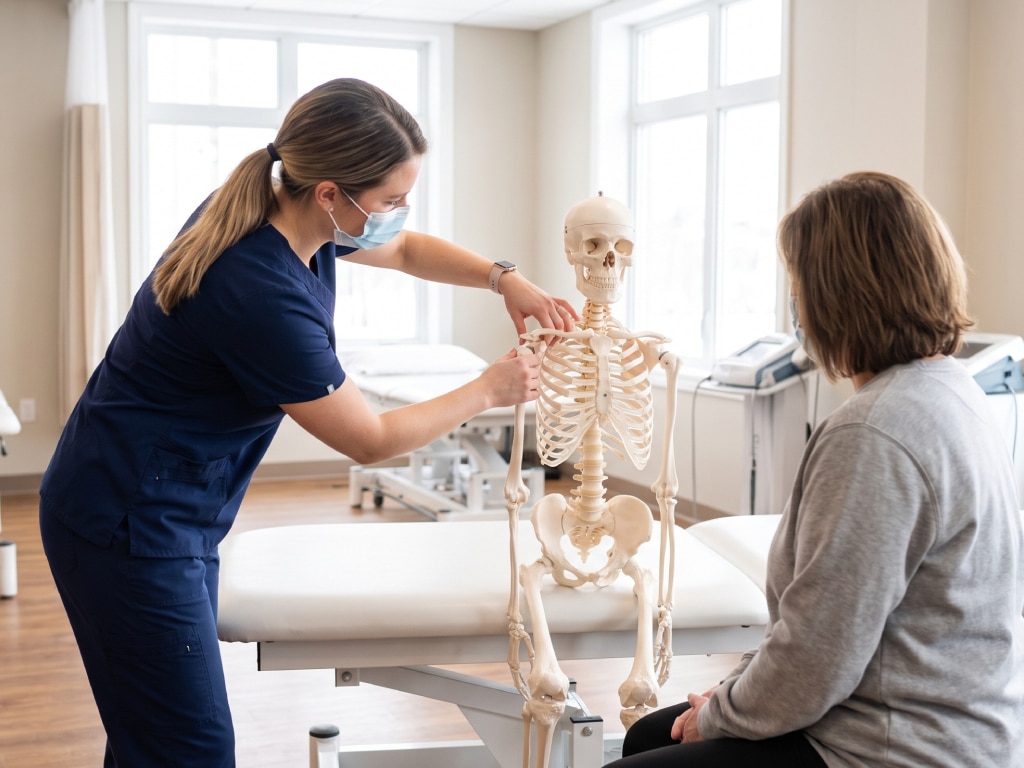
Re-injury after physiotherapy is usually prevented through three key areas: strength gains are maintained through progressive exercises, mobility is preserved with daily movement routines, and a gradual return-to-activity plan is followed. Most successful recoveries include ongoing self-care practices; habits that support long-term joint and muscle health are built as the primary goal.
Fast Facts
- Studies show 25-40% of people experience re-injury within 12 months of completing physiotherapy
- Strength losses can occur within 2-3 weeks without continued exercise
- Athletes who follow structured return-to-sport protocols have 60% lower re-injury rates
- Daily mobility work takes just 10-15 minutes but significantly reduces stiffness
- Most re-injuries happen during the first 6 weeks post-treatment
Building on Your Strength Foundation
Ongoing attention is needed by the strength gains you made during physiotherapy to stick around. From what we’ve seen, re-injury risk is reduced by roughly 50% in people who maintain some form of resistance training. Your muscles were likely weakened by the original injury; while physiotherapy helped rebuild that foundation, consistency is what makes it permanent.
A simple approach works well. Keep 2-3 of your key strengthening exercises. Perform them 2-3 times per week. The load doesn’t need to be intense, but your muscles should be challenged enough to maintain the adaptations that were built during treatment.
Mobility Maintenance That Actually Works
Range of motion improvements can disappear faster than strength gains if they’re not maintained. Flexibility is started to be lost by most joints within days of stopping regular movement. The good news is that maintaining mobility requires less time than building it initially.
Sporadic longer sessions are outperformed by daily movement routines. Even 10 minutes of targeted stretching or mobility work can preserve the gains you worked hard to achieve. Focus on the specific areas that were problematic during your injury; morning movement tends to be more sustainable than evening routines for most people.
The Return-to-Sport Timeline
Patience is required when getting back to your favorite activities, even when you feel ready. Tissue healing continues for months after pain resolves. Many re-injuries occur during premature return to high-demand activities. A structured progression typically works better than jumping back in at full intensity.
Low-impact versions of your sport or activity should be started first. Duration should be gradually increased before intensity is increased. A 25% weekly increase in activity level is involved in most successful returns. One Ajax runner we worked with followed this approach; the setback that had plagued her previous recovery attempts was avoided.
Recognizing Early Warning Signs
Subtle signals are usually provided by your body before a major setback occurs. Re-injury is often preceded by increased stiffness, mild soreness that doesn’t resolve with rest, or slight changes in movement patterns. Early intervention is allowed when these signs are learned to be recognized.
Minor discomfort that feels similar to your original injury shouldn’t be ignored. It’s probably worth addressing early rather than pushing through. Most people find that bigger problems can be prevented by a few days of modified activity and extra attention to their maintenance exercises.
Sleep and Recovery Fundamentals
Tissue repair and injury prevention are directly impacted by quality sleep. Growth hormone is released by your body during deep sleep, and most of its healing work is performed then. Higher injury rates across all age groups and activity levels are associated with poor sleep patterns.
7-9 hours of consistent sleep should be aimed for. Your recovery exercises work better when adequate time to adapt and repair is had by your body. This aspect gets overlooked frequently; it’s often the difference between lasting recovery and recurring issues.
Building Long-Term Success Habits
Sustainable routines need to be developed during the transition from patient to self-manager. People who view their maintenance exercises as permanent lifestyle changes rather than temporary requirements are involved in most successful recoveries. This mindset shift usually happens gradually, in a way.
Periodic check-ins with a physiotherapist in Pickering or Ajax should be considered during your first few months post-treatment. Your program can be adjusted by these sessions as you progress, and potential issues can be caught early. If ongoing support with your recovery journey is being looked for by you, visit our website to learn more about our maintenance and injury prevention programs.
Mini-FAQ
Q: How long should I keep doing my physiotherapy exercises? Generally speaking, most exercises should be continued for at least 6-8 weeks after your formal treatment ends. Time is needed by your body to solidify the strength and movement patterns that were developed during therapy. Gradual modifications are made over time. That approach helps maintain your progress.
Q – What’s the biggest mistake people make after finishing physio? All exercises are stopped too quickly. Look, it’s tempting to think you’re “fixed” once pain disappears, but the underlying weaknesses or movement issues often need months to fully resolve. A gradual return to normal activities is usually recommended.
Q: When can I return to sports or intense activities? Fair point – this varies significantly based on your injury type and sport demands. A phased approach that gradually increases intensity over 4-12 weeks is recommended by most physiotherapists. Timing is often guided by functional movement tests. That still surprises people.