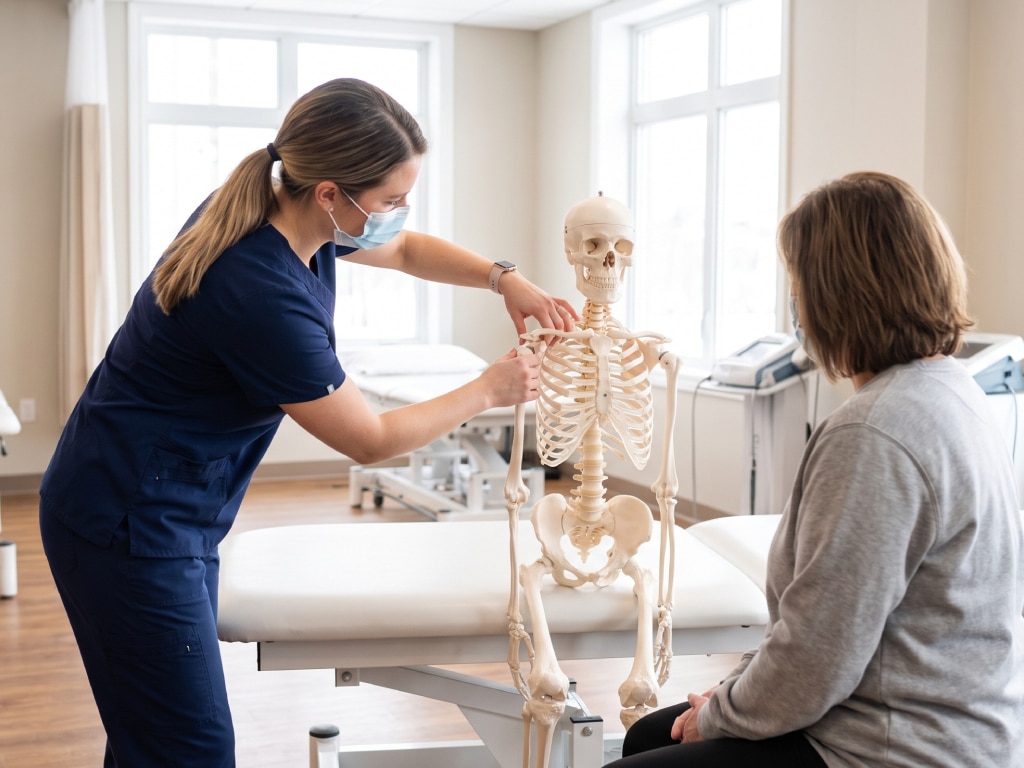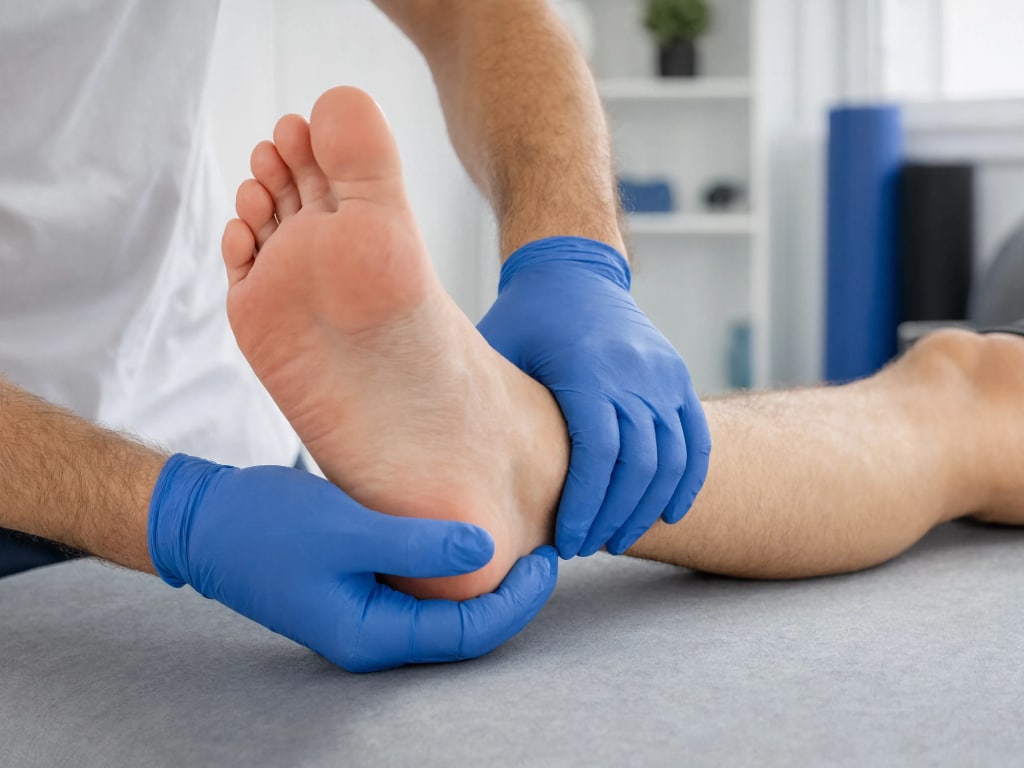
Physiotherapy clinics should be chosen by verifying practitioner credentials, reviewing available services, and checking patient testimonials. Clinics offering evidence-based treatments that match your condition are worth seeking; initial consultations to assess fit are provided by many. Location, appointment flexibility, and insurance acceptance should be considered when your final decision is made.
Fast Facts
- Better outcomes are reported by over 85% of patients when their physiotherapist specializes in their specific condition
- 3-5 different treatment modalities beyond basic manual therapy are offered by most reputable clinics
- Initial appointment wait times range from 3-14 days in the Durham region on average
- Insurance coverage varies; direct-billing is provided by some clinics while upfront payment is required by others
- Clinic communication practices and follow-up care are typically correlated with patient satisfaction scores
Understanding Your Treatment Needs
Time should be taken to understand what type of care you’re seeking before you start calling clinics. Different expertise is required by sports injuries than chronic pain management or post-surgical rehabilitation. A physiotherapist familiar with biomechanical analysis is needed by a runner dealing with IT band syndrome, while neurological rehabilitation specialists benefit someone recovering from a stroke. This distinction gets overlooked frequently; everything from treatment duration to expected outcomes is shaped by it. Success is found by many patients in Pickering and Ajax by first identifying their primary concern, then seeking clinics that demonstrate experience in that area.
Evaluating Practitioner Credentials
The baseline requirement for practice in our province is represented by registration with the College of Physiotherapists of Ontario. Beyond that, a story about the practitioner’s focus areas is told by additional certifications. Advanced training in hands-on techniques is indicated by manual therapy certification, for instance. Expertise in pain management approaches is suggested by dry needling or acupuncture credentials. These specializations were developed to address specific patient populations and conditions. Practitioners who continue their education regularly should be looked for. Commitment to current best practices is demonstrated by professional development.
Assessing Available Services
Traditional exercise and manual therapy are extended well beyond by modern physiotherapy. Non-invasive options for chronic tendon issues are provided by clinics offering shockwave therapy, for example. Massage therapy, chiropractic care, or naturopathic services under one roof are included by some facilities. Your care can be streamlined by this integrated approach, though it’s not always necessary. The key lies in matching services to your specific needs rather than being impressed by an extensive menu. A generalist facility is often outperformed by a focused clinic that excels in your area. What treatments your condition typically requires should be considered.
Reading Between the Lines of Reviews
Valuable insights are offered by patient testimonials, but careful interpretation is required by them. Reviews that mention specific conditions similar to yours should be looked for rather than general satisfaction ratings. Comments about communication, appointment scheduling, and follow-up care should be paid attention to. Your experience is significantly impacted by these operational factors. Systemic issues might be indicated by negative reviews about billing or scheduling, while unrealistic expectations could be reflected by complaints about treatment outcomes. Attention is deserved by reviews mentioning staff turnover or facility cleanliness. The pattern matters more than individual comments.
Location and Accessibility Considerations
Treatment consistency is affected by proximity to your home or workplace, especially for conditions requiring multiple sessions per week. Several options within reasonable driving distance are often had by Ajax and Pickering residents. Parking availability, public transit access, and clinic hours should be considered when convenience is evaluated. Early morning or evening appointments to accommodate work schedules are offered by some facilities. Telehealth options have become more common, though certain types of follow-up care and exercise instruction limit them. Convenience with quality of care is balanced by the best location.
Insurance and Payment Options
The payment process is simplified by direct billing arrangements, but universal availability isn’t provided. Major insurance providers are worked with by many clinics in the Durham region, though coverage limits vary by plan. Upfront payment with reimbursement handled by the patient is required by some facilities. Physiotherapy with referrals is often covered by extended health benefits, while different protocols entirely are followed by WSIB cases. Surprises are prevented by understanding your coverage before booking. Payment plans or package deals might be available for longer treatment courses. Care was made more accessible by these financial considerations.
Making Your Final Decision
Brief consultations or facility tours should be considered for scheduling once you’ve narrowed your options. Communication styles and clinic atmosphere are revealed by this face-to-face interaction. Whether you feel comfortable and understood should be trusted by your instincts. A crucial role in treatment success is played by the therapeutic relationship. A more directive approach is preferred by some patients, while collaborative treatment planning is valued by others. Neither style is inherently better, but compatibility matters. When the right fit is found by you, it feels different from just going through the motions will be known. To explore your options in the Pickering and Ajax area, I suppose, visit our website for more information about evidence-based physiotherapy care.
Mini-FAQ
Q: What credentials should I look for in a physiotherapist? Registered physiotherapists with current licensing through the College of Physiotherapists of Ontario should be sought. Additional certifications in areas like sports therapy or manual therapy can be valuable depending on your needs. Experience matters too.
Q: How important is the clinic’s location? Fair point. While convenience helps with consistency, it shouldn’t be your only factor. Better results are often produced by a slightly longer drive to the right specialist than settling for the closest option. That still surprises people.
Q: Should I expect a consultation before starting treatment? Initial assessments to understand your condition and explain their approach are offered by most professional clinics. Both you and the therapist are helped by this consultation to determine if it’s a good match.
Q: What if my insurance doesn’t cover the clinic I want? Payment plans or sliding scale fees are offered by many clinics. Direct billing to secondary insurance providers is also provided by some. Options during your initial call are worth asking about.